
Seasonal home maintenance checklist for every season

A seasonal home maintenance checklist splits the year into 4 task lists, spring, summer, fall, winter, so the work that protects your house happens on a schedule instead of after something breaks. Five items repeat on every credible checklist: clean gutters twice a year, check the HVAC filter monthly and change it at least every 3 months, test smoke and carbon monoxide alarms monthly, seal windows and doors before heating season, and shut down outdoor water lines before the first hard freeze.
The money side is just as simple. Homeowners working from a checklist generally set aside about 1% of the home’s value each year, which turns a surprise repair into a planned withdrawal. It’s a rule of thumb, not a law of physics.
Learn how a seasonal home maintenance checklist works: the full task-by-season table, which jobs belong to a professional, and what changes in Michigan. Our Home Maintenance hub goes deeper on each system.
Key takeaways:
- Four lists, five systems: A working checklist is organized by season and by system, so exterior, interior, HVAC, plumbing and safety items each get a slot in one of 4 seasonal lists.
- Three items carry most of the risk: Gutters twice a year, an HVAC filter checked monthly and replaced at least every 3 months, and alarms tested monthly and replaced 10 years from their manufacture date.
- Budget about 1% a year and write it down: Roughly 1% of the home’s value per year is the standard maintenance planning benchmark, and a documented service history strengthens your position at appraisal and resale.
Why does a seasonal maintenance checklist matter?
Because almost every expensive home repair started as a cheap one nobody caught. A clogged gutter is a $0 problem in October and a fascia, soffit and basement problem by March.
- It protects the asset: Deferred maintenance shows up in appraisals, inspection reports and buyer negotiations.
- It’s a safety system: Alarms, chimneys, dryer vents and fuel-burning equipment carry life-safety consequences, not just repair costs.
- It cuts waste: A clean filter, sealed windows and a leak-free supply line all pull the same direction.
- It removes decisions: A list means you stop re-deciding every spring what needs doing, which is why maintenance gets skipped.
Put a number on the plan and it gets easier to keep. On a $300,000 home, the 1% benchmark works out to roughly $3,000 a year, or about $250 a month set aside.1 Older homes and homes running original mechanicals sit above that line. Treat it as a sinking fund, our guide to how to budget for home maintenance covers sizing the account, and if you closed recently, start with home maintenance tips for new owners.
The master seasonal home maintenance checklist
Here is the full year in one block: 16 recurring tasks, the seasons each belongs to, and whether it’s a do-it-yourself job or a licensed contractor’s.
| Task | Spring | Summer | Fall | Winter | DIY or pro |
|---|---|---|---|---|---|
| Clean gutters and downspouts | Yes | , | Yes | , | DIY on a single story; pro above that |
| Inspect roof for lifted, cracked or missing shingles | Yes | , | Yes | , | Pro on the roof; DIY from the ground |
| Check HVAC filter (change at least every 3 months) | Yes | Yes | Yes | Yes | DIY |
| Professional HVAC tune-up | Cooling | , | Heating | , | Pro |
| Test smoke and carbon monoxide alarms | Yes | Yes | Yes | Yes | DIY, monthly |
| Outdoor faucets and irrigation | Turn on, check for freeze cracks | Monitor | Drain and shut off | , | DIY; pro for irrigation blowout |
| Check fixtures and supply lines for leaks | Yes | Yes | Yes | Yes | DIY |
| Caulk and weatherstrip windows and doors | , | Yes | Yes | , | DIY |
| Chimney and fireplace inspection and sweep | , | , | Yes | , | Pro |
| Clean the dryer vent duct | , | , | Yes | , | DIY on a short run; pro on a long run |
| Water heater check (relief valve, sediment flush) | Yes | , | , | , | DIY or pro |
| Grading, foundation cracks, downspout extensions | Yes | , | Yes | , | DIY inspection; pro for repair |
| Trim trees and shrubs back from the house | , | Yes | Yes | , | DIY; pro near power lines |
| Attic check: insulation, ventilation, moisture staining | Yes | Yes | , | Yes | DIY |
| Seal and repair decks, fences and hard surfaces | , | Yes | , | , | DIY or pro |
| Ice dam and snow load watch | , | , | , | Yes | Pro for removal |
Make it physical: Print or screenshot this table and tape it inside the utility closet door. Our seasonal homeownership guides break each quarter down further.
Spring: repair what winter did
Spring is a damage assessment, not a deep clean. Freeze-thaw cycles spend four months working on the roof, the gutters and the outdoor plumbing, and spring is when you find out what they did.
- Gutters and downspouts: Clear them, then run a hose through to confirm water leaves the house. Downspouts should discharge several feet from the foundation.
- Roof: Look for lifted, curled or missing shingles, damaged flashing, and granules in the gutter. Survey from the ground; our guide to maintaining your home’s roof covers what warrants a contractor.
- Outdoor water: Turn on each hose bib and watch for a spray inside the wall or a pressure drop, both mean a line cracked over the winter.
- Attic and ceilings: Check for water staining, daylight through the roof deck, and displaced insulation. A fresh stain means a leak, and a leak starts a mold clock.
- Cooling system: Replace the filter and book the air conditioning tune-up before the first 90-degree week fills every technician’s calendar.
- Exterior surfaces: Wash siding and check window frames for cracked caulk.
Bonus tip: Photograph anything questionable and date the photo. Comparing this spring’s picture to next spring’s tells you whether a problem is moving.
Hire a pro for: Anything on the roof itself, suspected leaks, and interior staining that keeps growing. If water already got in, start with how to address water damage in your home instead of painting over it.
Summer: protect the exterior and cut waste
Summer is the only season with reliably dry, warm weather, which makes it the working season for exterior repair. It’s also peak load on the cooling system and the water bill.
- Decks, fences and hard surfaces: Reseal wood, replace soft boards, and patch driveway cracks before water gets in and freezes there in December.
- Envelope sealing: Caulk and weatherstrip in dry weather, not in November when you can feel the draft. See maintaining your home’s exterior for the order to work in.
- Water leaks: Check toilets, faucets, hose bibs and irrigation. EPA’s WaterSense fixture and leak-check resources put the average household’s leaks at more than 9,300 gallons a year, with roughly 9% of homes leaking 50 gallons or more per day.
- Vegetation: Cut branches and shrubs back from siding, roofline and foundation, since contact lets pests and moisture in.
- Attic and fans: Confirm soffit and ridge vents are open, since a hot, unvented attic raises cooling costs and shortens shingle life. Set ceiling fans counterclockwise so air pushes down.
Bonus tip: Summer is the time to retire work you’re tired of doing. Swapping a thirsty lawn section for a low-maintenance landscape permanently removes tasks from the list, and the fixture upgrades in our guide to improving your home’s water efficiency do the same indoors.
Hire a pro for: Tree work near power lines or the structure, deck framing and ledger repairs, and driveway settling that points to a drainage problem.
Fall: the highest-stakes list of the year
Fall carries more consequence than the other three seasons combined, because every item on it hedges against a freeze. Miss the outdoor water shutoff and you get a burst line; miss the heating tune-up and you find out on the coldest night.
- Heating system: Book the furnace or boiler tune-up early and replace the filter. ENERGY STAR recommends a yearly tune-up plus checking the filter every month and changing it at minimum every 3 months, and the ENERGY STAR heating and cooling maintenance schedule lists what a technician should cover. If the system is near end of life, read how to upgrade your home’s HVAC system.
- Outdoor water: Disconnect hoses, shut the interior valve to each hose bib, open the spigot to drain the line, and blow out irrigation. This is the most damaging item to skip.
- Gutters, again: The second cleaning happens after the leaves are down, not while they’re falling.
- Chimney and fireplace: Have the flue inspected and swept before the first fire. Creosote buildup and blocked flues are fire and carbon monoxide risks.
- Dryer vent: Clean the full duct run, not the lint screen alone.
- Drafts and thermostat: Walk the house on a windy day, seal what you find, and program setbacks, our guide to smart thermostats for homeowners covers the settings.
Bonus tip: Do the outdoor water shutoff on a fixed calendar date rather than waiting for a cold forecast. One overnight freeze can split a line.
Hire a pro for: Chimney sweeping, furnace and boiler service, and irrigation blowouts needing compressed air. Our full guide to winterizing your home sequences the whole fall list.
Winter: monitor, don’t project-manage
Winter is a watching season. The work was done in fall; now you’re protecting against 3 failure modes: frozen pipes, ice dams and combustion safety.
- Frozen pipes: Hold a steady thermostat setting day and night, open cabinets on exterior walls during cold snaps, and let a faucet on a vulnerable run drip. Our guide to maintaining your home’s plumbing system covers the runs most at risk.
- Ice dams: Watch for thick icicles and ice ridges along the eaves. They signal heat escaping into the attic, and they push meltwater back under the shingles.
- Alarms and combustion: Keep testing smoke and carbon monoxide alarms monthly, especially with space heaters or a fireplace running. Ready.gov’s guidance on detectors and home fire safety covers placement and escape planning; the U.S. Fire Administration’s rule is to test monthly, replace batteries at least once a year, and replace the alarm 10 years from its manufacture date.
- Vents and exhausts: After heavy snow, clear furnace, water heater and dryer exhaust terminations. Blocked exhaust is a carbon monoxide risk.
- Walkways and roof load: Keep steps cleared and watch wet snow loads on flat roofs, porches and carports.
- Outage readiness: Restock the emergency kit and test standby power. Where winter outages are a pattern, installing a backup generator is worth pricing.
Bonus tip: Find your main water shutoff now, label it, and make sure everyone can work it in the dark. The difference between a wet floor and a gutted first level is about 90 seconds.
Hire a pro for: Ice dam removal, any suspected frozen or burst line, and any alarm sounding without an obvious cause. Never chip ice off a roof yourself.
When to call a professional
Four categories belong to licensed contractors no matter how handy you are: roof work, HVAC service, chimney and venting, and plumbing and electrical. Falls, combustion safety and permitted work are the reasons.
The honest framing: the checklist’s job is keeping small problems small. When one gets past you and becomes a roof replacement or a full renovation, it stops being a maintenance question and becomes a financing question. Lenders in Align’s network offer renovation loan and cash-out refinance options that fold that work into the mortgage instead of a credit card.2 Our Homeownership guide covers where those fit, and first-year owners should start with home maintenance for first-time homeowners.
What Michigan homeowners should know
Michigan compresses the fall list into a shorter window than most of the country and stretches the winter list longer. Four adjustments matter.
- Set a hard outdoor-water deadline in September: Michigan’s first freeze arrives earlier than the national average, and weeks sooner across the northern Lower Peninsula and the U.P. than downstate. Pick a fixed late-September date, drain and shut off hose bibs and irrigation by then, and stop using the forecast as an alarm clock.
- Plan on 2 fall gutter cleanings: Michigan’s oaks and maples drop late, so a single early-October cleaning fills back up. Do one pass mid-fall and a second after the last leaves are down, our comparison of cleaning gutters yourself versus hiring it out covers when the second trip is worth paying for.
- Book the furnace tune-up in September, not October: Michigan HVAC schedules fill the moment the first cold snap hits, and a mid-winter no-heat call gets emergency pricing.
- Treat ice dams as an insulation problem: Michigan’s freeze-thaw pattern makes ice dams the signature winter roof failure. They form when heat escaping into the attic melts snow that refreezes at the cold eave, so chipping ice treats the symptom while upgrading your home’s insulation and confirming ventilation treats the cause.
If you own a cottage up north, run a separate shutdown list. An unoccupied Michigan house in January is where small plumbing failures become total losses.
How Align helps when a repair is bigger than your savings
Most repairs belong in a savings account, not a loan. When one does not, like a roof or a furnace, Samantha looks at whether a home equity line, a home equity loan or waiting makes more sense for you.
Align places standalone HELOCs and home equity loans, so you can keep your first mortgage and its rate in place. She explains the payment and the risk before you borrow against your home.
FAQ: Seasonal home maintenance checklist
Here are answers to common questions about seasonal home maintenance checklists.
What should be on a spring home maintenance checklist?
Spring work is about repairing winter damage. Clean gutters and downspouts, inspect the roof for missing or lifted shingles, check outdoor faucets and irrigation for freeze cracks, wash siding and hard surfaces, replace HVAC filters and schedule a cooling system check, test smoke and carbon monoxide alarms, and inspect the attic and ceilings for water staining that appeared over the winter. Chase down any stain, because trapped moisture is how mold problems start.
How much should I budget for home maintenance each year?
A common planning benchmark is 1% of the home’s value annually, so roughly $3,000 a year on a $300,000 house. Older homes and homes with original mechanicals run higher. Treat it as a sinking fund rather than an expense line: months with no repairs build the balance that covers the year the water heater and the roof both come due at once. Our guide to budgeting for home maintenance sizes the account.
Is there a printable seasonal maintenance checklist?
Yes. Fannie Mae’s homeowner education site publishes a free downloadable checklist, and several home inspection organizations and national contractor networks offer printable season-by-season versions. Pick one and keep it somewhere physical, like inside a utility closet door. The checklists that actually get used are the ones you see when you’re already standing next to the furnace. Our seasonal homeownership guides follow the same four-list structure.
What maintenance protects my home’s value the most?
Anything that keeps water out. Roof, gutters, grading and plumbing account for the majority of costly structural and mold problems, and inspectors flag them first when a home goes on the market. Mechanical upkeep comes second, since a documented HVAC service history reassures buyers that the furnace and air conditioner aren’t about to become their problem. For the other half of the equation, see renovation ideas that boost home value.
The bottom line on your seasonal maintenance checklist
A seasonal home maintenance checklist splits the year into 4 task lists so exterior, interior, HVAC, plumbing and safety work each get a slot. Five items repeat on every credible version: clean gutters twice a year, check the HVAC filter monthly and change it at least every 3 months, test smoke and carbon monoxide alarms monthly, seal windows and doors before heating season, and drain outdoor water lines before the first hard freeze. Back it with roughly 1% of the home’s value a year, hand roof, chimney, HVAC and plumbing work to licensed pros, and keep the service record.
If you’re ready to take on the work that outgrew the checklist, a roof, a furnace, or a full renovation, talk to Align Lending. We’ll shop your scenario across our lender network and show you the renovation and cash-out options side by side. Call 248-506-5727 or start online today.
Footnotes:
1. The 1% guideline and the $300,000 home / $3,000-per-year example are hypothetical planning illustrations for educational purposes only. The 1% figure is a widely used budgeting rule of thumb, not a published government or industry cost study, and it is not an advertisement of credit terms or a rate quote under federal or state lending laws. Actual maintenance and repair costs vary widely with a home’s age, size, construction, systems, condition, and location, get local quotes before budgeting a specific job. Return to text.
2. Align Lending is an independent mortgage broker and does not set loan terms. Renovation loan and cash-out refinance program terms, eligibility, and available loan amounts are set by the individual wholesale lenders in Align’s network and are subject to change, credit approval, property eligibility, and equity requirements. Nothing here is an offer of credit or a commitment to lend. Return to text.
Sources: HVAC filter guidance (“Check your filter every month… At a minimum, change the filter every 3 months”) and the yearly heating and cooling tune-up recommendation, U.S. EPA and U.S. Department of Energy, ENERGY STAR (“Heating & Cooling”). Household leak figures, more than 9,300 gallons wasted per average household per year, and roughly nine percent of homes with leaks wasting 50 gallons or more per day, U.S. EPA WaterSense (“Fix a Leak Week”). Smoke alarm guidance to test monthly, replace batteries at least once a year, and replace the alarm 10 years from the manufacture date, U.S. Fire Administration, FEMA (“Smoke Alarms”). The 1% annual maintenance benchmark is a common homeowner budgeting rule of thumb and is not attributed to a government agency.
This article is for informational purposes only and is not intended to provide legal, financial, tax, engineering, or contracting advice. Repair costs, contractor pricing, and product recommendations vary by home, region, and season, get local quotes before committing to any project. Roofing, HVAC, chimney, plumbing, and electrical work should be performed by licensed contractors under local code and permitting requirements. Align Lending is an independent Michigan mortgage broker, NMLS #2041154.
Related resources
12-minute read
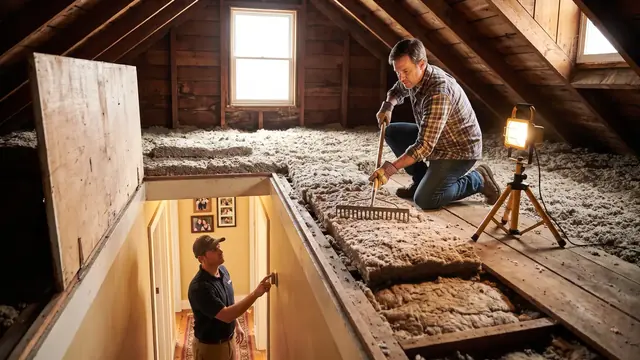
Energy-efficient home upgrades: What to do first, and what it saves
See which energy-efficient home upgrades pay off first, from air sealing and insulation to heat pumps and solar, with real costs and yearly savings.

12-minute read
DIY home renovation projects: 12 upgrades you can actually finish
Discover DIY home renovation projects that upgrade your space on a budget, from peel-and-stick backsplashes to floating shelves and smart lighting.
12-minute read
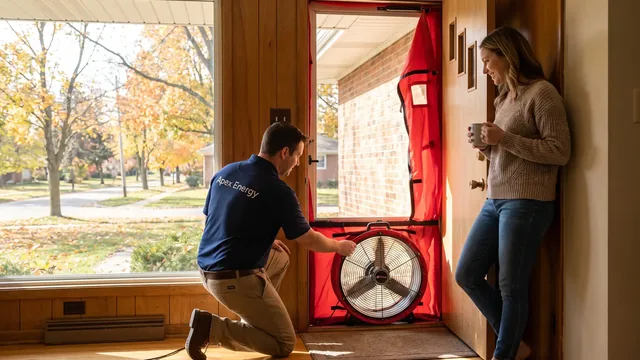
The benefits of a home energy audit and what it includes
Learn what a home energy audit finds, how blower door and infrared testing works, and why the Department of Energy links audits to 5% to 30% energy savings.
4-minute read
The Ultimate Guide to House Types: A Sophisticated Explorer’s Manual to Residential Architecture
Discover different house types by structure and style and their mortgage implications. Learn more now!
