
DIY home renovation projects: 12 upgrades you can actually finish

DIY home renovation projects are upgrades you can complete without hiring a licensed contractor, and the money you save is almost entirely labor, which typically runs 20% – 35% of a home improvement project’s total cost. The highest-impact beginner projects are paint, lighting swaps, cabinet hardware, a peel-and-stick backsplash and floating shelves, and that tracks with what homeowners reported doing: flooring, paint and lighting were the most common renovation projects in This Old House’s 2025 renovation report.
Two rules keep a DIY budget honest. Add a 10% – 15% cushion to whatever you estimate, and hand off anything touching structure, gas lines, a main electrical panel or a roof penetration to a licensed pro.
Learn how to plan DIY home renovation projects, including 12 upgrades ranked by skill level, when hiring a contractor is the cheaper answer, and how to pay for work that outgrows your cash. If you’re new to owning, start with our Homeownership guide.
Key takeaways:
- Your savings are labor: DIY removes the labor line, and labor typically accounts for 20% – 35% of a home improvement project’s total cost.
- Cosmetic projects win on impact per dollar: Paint, lighting, hardware, backsplash and shelving, 5 upgrades most homeowners can finish in a weekend each, deliver the biggest visual change with the lowest risk of an expensive mistake.
- Budget a cushion and know your stop line: Add 10% – 15% to every estimate, and send structural work, gas lines, main panel electrical and roof penetrations to licensed contractors. Both for safety and because unpermitted work can complicate a future sale or appraisal.
How do you prep for a DIY renovation project?
Prep is three numbers and one question: your materials budget plus a 10% – 15% cushion, the hours the job realistically takes, the tools you’ll buy or rent. Then, does this project need a permit or a license? Work that list before you buy a box of tile. Our Home Improvement & Design hub goes deeper on planning.
- Set the budget, then pad it: Contractors and budgeting guides consistently recommend a 10% – 15% contingency on any renovation budget. Treat that cushion as spent money, not a stretch goal.
- Price materials, not projects: A “kitchen refresh” has no price. Your square footage, finish level and local store do. Check typical home project cost ranges, then price your own list line by line.
- Buy the 6 tools that cover most jobs: A tape measure, level, cordless drill/driver, stud finder, utility knife and caulk gun handle most projects below. Rent specialty tools like a wet saw.
- Wear the safety gear every time: Eye protection, gloves and a dust mask cost less than one urgent care visit. Homes built before 1978 can contain lead paint, and disturbing painted surfaces calls for lead-safe handling.
- Check permits before you buy materials: Cosmetic work generally doesn’t need one; moving or adding electrical circuits, altering plumbing, removing walls, changing window or door openings and building decks typically do. Rules are set locally, so call your building department first, our guide to home renovation permits covers what to ask.
- Work in the right order: Demo, rough-in, paint, flooring, trim, fixtures. Painting before the new floor goes down is the easiest mistake to avoid.
12 DIY home renovation projects you can actually finish
These 12 projects run roughly easiest to most involved, and each lists a skill level, a relative materials cost and a realistic time estimate. We’re not printing dollar figures per project, because materials pricing swings with square footage, finish level and local supply, price your own list. For instructions, Family Handyman keeps a deep library of step-by-step DIY renovation project ideas.
1. Repaint a room or add an accent wall: beginner, low materials cost, one weekend
Paint changes more square footage per dollar than anything else you can do, which is why it sits alongside flooring and lighting on the most-reported list. Budget most of your time for prep, patching, sanding, taping and cutting in, not rolling.
Hire it out if: The room has a two-story stairwell or vaulted ceilings that need scaffolding rather than a step ladder.
2. Swap cabinet and door hardware: beginner, low materials cost, an afternoon
New pulls and knobs date-shift a kitchen by a decade for the price of a screwdriver and a drill. Measure your hole spacing before you order, or every door becomes a fill-and-redrill project.
Hire it out if: Nothing here needs a pro.
3. Install a peel-and-stick backsplash: beginner, low to moderate materials cost, one day
Peel-and-stick tile delivers the visual payoff of a backsplash without mortar, a wet saw or a grout float, and most panels cut with a utility knife. It’s removable, too, so it works for renters. Pair it with hardware and paint using our guide to renovating a kitchen on a budget.
Hire it out if: You want real tile set in mortar, especially behind a range where heat and cleaning demand a proper installation.
4. Hang floating shelves: beginner, low materials cost, 2 – 3 hours
Floating shelves add storage to a blank wall in an afternoon, and the job hinges on hitting studs. Find them, mark them, then level across the full run rather than shelf by shelf.
Hire it out if: You’re anchoring a heavy load into plaster, masonry or a wall with no usable studs behind it.
5. Raise the curtain rods and hide the cords: beginner, low materials cost, an afternoon
Mounting rods closer to the ceiling and wider than the window makes a room read taller, at the cost of two brackets and 20 minutes. Cord covers clean up the wall behind a mounted TV in the same session.
Hire it out if: You want cords routed inside the wall, which is a low-voltage rough-in rather than a decorating job.
6. Re-grout and re-caulk tile: beginner, low materials cost, one weekend
Fresh grout and clean caulk lines make a dated bathroom look maintained rather than tired, for less than a dinner out. Remove the old grout completely before you refill. The failures here are almost all prep failures. It’s a natural first step in renovating a small bathroom.
Hire it out if: Grout cracks in a repeating pattern, the floor feels soft underfoot, or you find moisture behind the tile.
7. Replace a faucet or showerhead: intermediate, low to moderate materials cost, 2 – 4 hours
A faucet swap is the most approachable plumbing project there is, and the work is mostly contortion under a sink. Shut off the supply, photograph the connections before disassembly, and keep a bucket within reach.
Hire it out if: The shutoff valves won’t fully close, supply lines are corroded, or connections are galvanized or soldered rather than threaded.
8. Swap a light fixture and add dimmers: intermediate, low materials cost, 1 – 2 hours per fixture
Lighting is the third of the three most commonly reported projects, and a fixture swap takes about an hour once the breaker is off and confirmed dead with a tester. Dimmers add the ambiance upgrade for a few dollars more.
Hire it out if: There’s no ground wire in the box, the home has aluminum wiring, the fixture hangs over a stairwell, or the job adds a circuit or a new box.
9. Install a smart thermostat: intermediate, moderate materials cost, 1 – 2 hours
A smart thermostat is the entry point to a connected home and the one energy upgrade most homeowners can install themselves. Label every wire as you remove it and photograph the old terminal block. Our guide to home automation systems covers the wider ecosystem, though the benefits of a home energy audit usually outrank any single device.
Hire it out if: Your system has no C-wire, or you run a boiler, heat pump or multi-stage equipment where miswiring can damage the unit.
10. Lay click-lock vinyl plank flooring: intermediate, moderate to high materials cost, a weekend per room
Flooring tops the most-common-project list, and click-lock luxury vinyl plank is the version a determined beginner can finish, since planks lock together without adhesive. Order 10% extra for cuts and waste, and let the material acclimate first. Compare materials in our guide to choosing the right flooring for your home.
Hire it out if: The subfloor is out of level, there’s suspect sheet vinyl underneath in an older home, or the run includes stairs.
11. Refresh your curb appeal: beginner, low to moderate materials cost, a weekend
A painted front door, modern house numbers, a new mailbox and two planters change the first photo of your home for the price of a few materials runs. It’s the cheapest project here that can shape what a buyer thinks before walking in.
Hire it out if: The door itself needs replacing. Changing a door opening is structural work and often requires a permit.
12. Build a fire pit or a patio seating area: confident DIYer, moderate to high materials cost, 2+ weekends
Outdoor living has been one of the more durable demand categories in remodeling, and a dry-laid paver fire pit needs patience and a level far more than skill. Base compaction and drainage are where these projects succeed or fail. The national home building and remodeling trends published by the NAHB track how outdoor spaces stack up against interior work.
Hire it out if: You want a gas fire pit (gas lines are licensed work, always), a retaining wall above a couple of feet, or real excavation. Call 811 before you dig.
DIY vs. hiring a contractor: which jobs are worth handing off?
Hand off any project where a mistake costs more than the labor you’d save, and because labor is only 20% – 35% of a typical project’s cost, that line arrives sooner than most people expect.
Say a contractor quotes $10,000. If labor lands inside that 20% – 35% band, roughly $6,500 – $8,000 of the quote is materials you’d still buy yourself, leaving about $2,000 – $3,500 as your realistic upside.1 Then subtract tool rental, your weekends, and the cost of redoing anything that goes wrong. A quote also carries overhead and profit, so treat this as a frame, not a formula.
| Factor | Doing it yourself | Hiring a licensed contractor |
|---|---|---|
| Cost | Materials plus tools; you keep the labor share, typically 20% – 35% of the total | Materials, labor, overhead and profit in one number, usually with a fixed scope |
| Timeline | Evenings and weekends; a one-day job for a crew can run three weekends solo | Continuous once started, but you wait for an opening in their calendar |
| Permit exposure | You pull the permit and meet the inspector | The contractor typically pulls permits and handles inspections |
| Warranty | None, and some product warranties require professional installation | Workmanship warranty plus liability and workers’ compensation coverage |
| Resale and appraisal impact | Clean cosmetic work shows well; amateur or unpermitted work raises questions | Documented, permitted work is easiest to explain to a buyer or an appraiser |
That last row is the one homeowners underweight. Unpermitted work can surface during a home inspection or when a lender orders an appraisal, and the fix, retroactive permits, opening finished walls, sometimes undoing the work, costs far more than the permit would have. Understanding why home appraisals matter is worth 10 minutes before any project bigger than paint.
What to do when a DIY project outgrows your cash budget
You have three paths when a project runs past your cash: phase it into stages you can pay for, keep saving until the scope is funded, or finance it against the home. Phasing is free and underrated, paint and hardware this month, flooring next spring, and keeps you out of debt for cosmetic work.
When the scope is genuinely larger, financing falls into three buckets. Renovation loans, including FHA 203(k) and conventional renovation products, roll improvement costs into the mortgage itself.2 A cash-out refinance replaces your mortgage with a larger one and returns the difference in cash. A home equity loan or line of credit leaves the first mortgage alone. Lenders in Align’s network offer all three, and rules differ. Renovation loans in particular have requirements about who performs the work, so ask before you plan on supplying the labor.
Before you borrow, be clear on what the work should do for you. Our guides to renovation ideas that boost home value and renovating a home for resale sort projects by whether they pay you back or simply make the house better to live in, and the advantages of buying a fixer-upper cover renovation financing when the work starts at closing.
How Align finances a renovation
You are not just financing the house. You are financing a plan for it. Align places HomeStyle and FHA 203(k) renovation loans, standalone HELOCs and home equity loans, so the project can be paid for the way that fits it, not the way one bank prefers.
Samantha starts with why: what the work is, what it should cost, and whether your equity or a renovation loan is the better tool. Then one application goes to multiple wholesale lenders.
FAQ: DIY home renovation projects
Here are answers to common questions about DIY home renovation projects.
What DIY home renovation projects give the best return?
Fresh interior paint, updated lighting fixtures, new cabinet hardware and improved curb appeal consistently deliver the most visible change for the least money. These projects need basic tools, are dominated by materials cost rather than skill, and are low risk because mistakes are easy to redo. Kitchen and bathroom refreshes tend to influence buyers most, but they also carry the highest chance of hitting plumbing or electrical surprises. Our overview of home renovation trends covers what buyers respond to right now.
Do I need a permit for DIY home renovations?
Usually not for cosmetic work. Painting, flooring, shelving and hardware swaps generally don’t require a permit. Permits are typically required when you move or add electrical circuits, alter plumbing, remove walls, change window or door openings, or build a deck. Rules are set locally, so check with your city or township building department first. Unpermitted work can surface during an appraisal or inspection when you sell, and the impact of new building codes on home purchases explains why inspectors and appraisers care.
How much can I actually save doing renovations myself?
Because labor is roughly 20% – 35% of most project costs, a $10,000 quoted job might still cost $6,500 – $8,000 in materials alone. Savings shrink when you buy or rent specialty tools, and they can disappear entirely if you have to redo the work. The realistic sweet spot is projects where materials dominate the cost and the skill requirement is modest. The budgeting discipline in our guide to building a home on a budget applies just as well to a renovation.
Which renovations should I never DIY?
Leave anything involving your main electrical panel, gas lines, load-bearing walls, roof structure or sewer lines to licensed professionals. These carry real safety risk, are almost always permit-required, and mistakes are expensive to unwind. Asbestos and lead paint in homes built before 1978 also call for certified handling. If a project needs an inspection to pass, that’s a strong signal to hire it out, and learning to read a home inspection report shows you what a future buyer’s inspector will flag.
The bottom line on DIY home renovation projects
DIY home renovation projects pay you in labor, which typically runs 20% – 35% of a project’s total cost, so the best candidates are jobs where materials dominate the bill and the skill requirement is modest. Paint, hardware, a peel-and-stick backsplash, floating shelves, fresh grout, a fixture swap and curb appeal all clear that bar. Add a 10% – 15% cushion to every estimate, confirm permit rules with your building department before you buy materials, and hand off structure, gas, main panel electrical and roof work.
If you’re ready to take on a project bigger than your cash budget, talk to Align Lending, we’ll shop renovation loans, cash-out refinances and home equity options across our lender network and show you the numbers side by side. Call 248-506-5727 or start online today.
Footnotes:
1. Example figures are hypothetical and for educational purposes only; they do not constitute an advertisement of credit terms or a rate quote under federal or state lending laws. Actual quotes, material costs and the labor share of any individual job vary by scope, market and contractor. Return to text.
2. Align Lending is not acting on behalf of or at the direction of FHA or HUD. FHA 203(k) program requirements are set by HUD and are subject to change. Renovation loan eligibility, contractor requirements and draw procedures are set by each lender and program, not by Align Lending. Return to text.
Sources: labor typically accounting for 20% – 35% of a home improvement project’s total cost, and typical home project cost ranges, Angi project cost data. Flooring, paint and lighting as the most commonly reported renovation projects in 2025, This Old House 2025 renovation report. The 10% – 15% renovation contingency, standard renovation budgeting guidance. Remodeling trend data, National Association of Home Builders. Step-by-step project instructions, Family Handyman. Underground utility marking before digging, the national 811 Call Before You Dig service.
This article is for informational purposes only and is not intended to provide legal, financial, or tax advice. Permit requirements, contractor licensing rules and lead-safe work practices are set by federal, state and local authorities and vary by jurisdiction, confirm requirements with your local building department before starting work. Program terms and figures shown are illustrative, are not a rate quote or an offer of credit, and are subject to change. Align Lending is an independent Michigan mortgage broker, NMLS #2041154.
Related resources
12-minute read
Energy-efficient home upgrades: What to do first, and what it saves
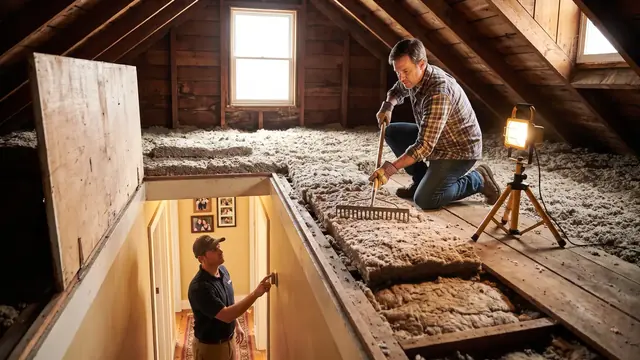
See which energy-efficient home upgrades pay off first, from air sealing and insulation to heat pumps and solar, with real costs and yearly savings.
12-minute read
The benefits of a home energy audit and what it includes
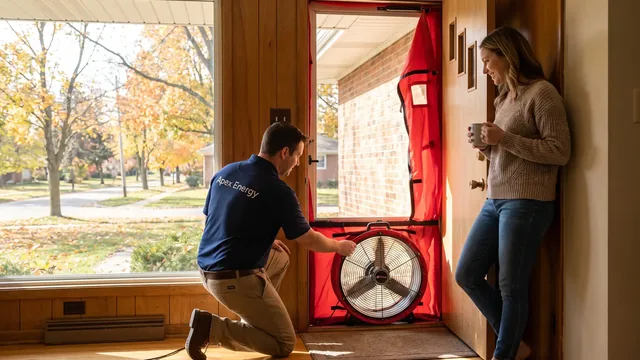
Learn what a home energy audit finds, how blower door and infrared testing works, and why the Department of Energy links audits to 5% to 30% energy savings.

12-minute read
Home renovation permits: What you need and what they cost
Find out which home renovation permits you need, how the application and inspection process works, and what happens when unpermitted work shows up at resale.
4-minute read
Repair Escrow Guide: How Homebuyers Can Manage Repairs
Discover how to manage home repairs during escrow to protect your mortgage and purchase. Learn now!
