
Home types and living: A guide to house styles and structures
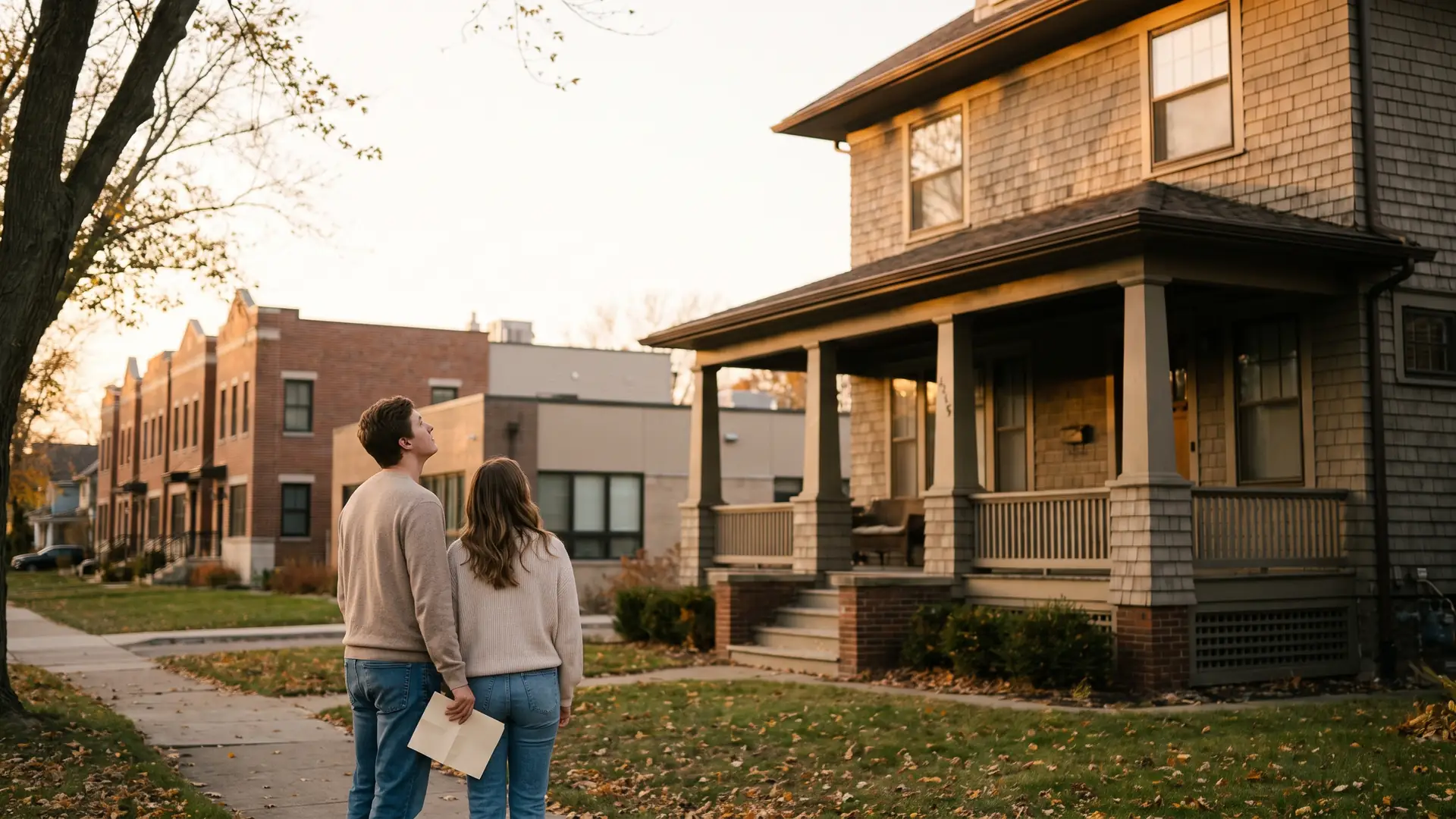
Homes get sorted three ways. By structure (how the building is built and attached), by style (its architecture), and by ownership (what you actually own). The distinction is financial, not aesthetic: a detached house, a warrantable condo, a co-op share, and a manufactured home on leased land run under four different sets of financing rules. Minimum down payments start at 3% on a conforming loan and 3.5% on an FHA loan, and on one of those four, a mortgage isn’t what you’d be getting at all.
Learn more about home types and financing, including how condos and co-ops differ from detached houses, how factory-built homes are financed, and how your choice of structure changes the loan options on the table.
Key takeaways:
- Three classifications, not one: Structure, style, and ownership are separate questions. A townhouse can be fee-simple or condominium-titled, and only the title tells your lender which rules apply.
- Financing follows the type: Conforming and FHA loans reach detached homes, approved condos, townhouses, modular homes, and 1 – 4 unit properties with 3% – 3.5% down; co-op shares and manufactured homes on leased land need specialty lenders.
- Who this is for: If you’re weighing a condo against a single-family home, or modular against site-built, price the loan before you fall for the floor plan.
How homes are classified: structure, style, and ownership
Every home answers three separate questions, structure, style, and ownership, and your lender cares most about the third, because ownership decides whether a mortgage is even the right instrument.
| Classification | What it describes | Why it matters to your loan |
|---|---|---|
| Structure | Detached, attached, multi-unit, or factory-built | Sets the appraisal rules, and whether the home met a federal or a state building code |
| Style | Architectural design and era of construction | Rarely affects eligibility, but age drives condition and insurability |
| Ownership | Fee simple, condominium, or corporate shares | Decides whether you get a mortgage, a share loan, or a personal-property loan |
Structure splits three ways. Detached homes stand alone, and every loan program is written around them. Attached homes, townhouses, rowhouses, stacked condos, share a wall, so the lender underwrites the association on top of you. Buildings of 2 – 4 units are still residential financing, and rent from the other units can help you qualify; at five it turns commercial.
Size sits outside all three: no threshold turns a large house into a different loan product, which is why what actually makes a house a mansion is a market question, not a lending one. For what owning any of these costs, our homeownership hub has the running math.
Attached and shared-ownership homes: condos, co-ops, and townhouses
A condo buyer owns real property and gets a normal mortgage; a co-op buyer owns shares in a corporation plus a lease on a unit, and needs a share loan many lenders don’t write. That one sentence explains most of the friction here. Freddie Mac’s Home Possible program allows 1 – 4 units, condos, co-ops, and planned-unit developments at up to 97% financing, 3% down, but whether a wholesale lender offers the co-op version is a separate question from whether the GSE permits it.
- Project approval: For an FHA loan, the unit must sit in a HUD-approved project or qualify for FHA Single-Unit Approval, which requires a completed project of at least five units and caps FHA loans at two in projects under 10 units.
- Dues and reserves: Dues count in your debt-to-income ratio like a car payment, so $350 a month shrinks the loan you qualify for. Underwriters also read the reserve study: thin reserves, litigation, investor concentration, or delinquent owners can sink a project even when the borrower is flawless. Weigh that against the upside in the pros and cons of buying a condo.
- Board approval: Co-op boards interview buyers and can decline them. A step no condo or house purchase has. See living in a co-op.
- Townhouse title: A townhouse is a structure, not a form of ownership. Some are fee-simple; some are condominium-titled and get full project review. Read the pros and cons of a townhouse, then ask which you’re buying.
Because Align is a broker, we can check a project’s warrantability against several lenders’ rules at once. One lender’s rejection is often another’s approval, and finding out takes a phone call, not a second application.
Factory-built homes: modular, manufactured, and prefab
One distinction decides the loan. Federal rules apply the HUD Code to every manufactured home that entered the first stage of production on or after June 15, 1976, and those homes carry a certification label to prove it. Modular and prefab homes fall outside that code, are built under the same state and local codes as site-built houses, and are financed, appraised, and insured like them.
The cost gap is why people look. The Census Bureau’s Manufactured Housing Survey puts the average new manufactured home at about $84 per square foot in 2024, against roughly $169 for a new site-built home once land is stripped out. The average new manufactured home sold for about $127,200 in 2025, the house, not the ground under it.
- Modular and prefab: Built in factory sections, assembled on a permanent foundation, code-inspected like any new construction, and appraised against site-built comparable sales, the whole ballgame. See the benefits of modular homes and eco-friendly prefab houses.
- Manufactured: For an FHA Title II mortgage, HUD requires the home and site to exist together as a real estate entity under state law, a HUD Certification Label showing construction on or after June 15, 1976, a floor area of at least 400 square feet, a permanent foundation with the towing hitch and running gear removed, and a term of 30 years or less. Note what HUD does not require: the handbook says the home “need not be treated as real estate for purposes of state taxation,” so a local personal-property tax bill alone doesn’t disqualify the file.
- Titling is the real hurdle: In the same survey, roughly three-quarters of new manufactured homes were titled as personal property rather than real estate. Personal property means a chattel loan, typically at higher rates and shorter terms than a mortgage.
FHA finances factory-built housing both ways, one product for buyers who own the land, another for homes in a community. HUD’s loan page covers the basics, including the 3.5% minimum down payment.
Architectural styles and older housing stock
Style is where the emotion lives; age is where the money hides. Federal law requires sellers of most housing built before 1978 to disclose known lead-based paint and hazards, hand over the EPA’s lead pamphlet, and give buyers a 10-day window to inspect for it. Older homes also draw insurer questions about roof, wiring, and plumbing age long before appraiser questions.
- Victorian: Steep rooflines, turrets, bay windows, and elaborate trim, mostly late-1800s. Beautiful and maintenance-hungry. The ornament is the expense. See Victorian house features and styles.
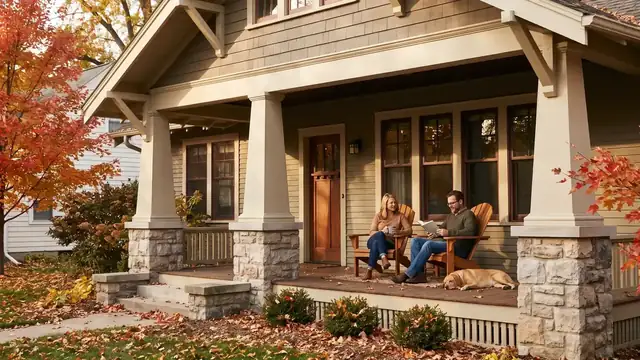
- Craftsman: Low-pitched roofs, deep porches, exposed rafters, and built-in woodwork, popular roughly 1905 – 1930. Common across older Michigan neighborhoods and sturdier than their age suggests, details in Craftsman houses.
- Colonial, Cape Cod, and ranch: Symmetrical or single-story postwar plans that renovate predictably and price below open-plan comparables. Check the foundation type and the original electrical panel first.
Whatever the style, price a 50-year-old home with its mechanicals in mind and insure it deliberately. Replacement cost on a period home is not what the same square footage costs to rebuild in a subdivision. Our insurance and protection hub covers those gaps.
Sustainable, small-space, and location-driven choices
The average new site-built home sold in 2024 measured roughly 2,400 square feet, against about 1,460 for a new manufactured home, and every extra foot gets heated, cooled, insured, and re-roofed. Size, efficiency, and location decide what a home costs to live in, and none of them show up in the listing photo.
- Efficiency: Insulation, air sealing, windows, and mechanical equipment set your utility bill for as long as you own the home. ENERGY STAR is the clearest public benchmark for comparing equipment and new-home performance, and our guide to creating a sustainable home covers where to start.
- Certifications: ENERGY STAR, LEED, and passive-house standards each measure something different, and only some affect appraised value. Sort them out in green building certifications.
- Square footage: Buying less house lowers every recurring cost at once, taxes, insurance, utilities, and upkeep all scale with size. See small-space living.
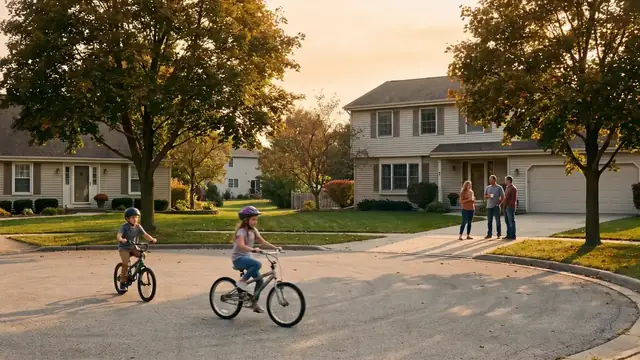
- Lot and street: Position within a neighborhood affects traffic, privacy, resale, and even snow removal. The tradeoffs are in buying a cul-de-sac house.
- Location: Neighborhood is the one variable you can’t renovate. If you’re relocating cold, our roundup of the safest cities in the U.S. is a starting point, not a substitute for visiting.
Once you own it, those decisions become a maintenance calendar and a project list, see the home maintenance hub and the home improvement and design hub.
How your home type changes your loan options
Here is the whole page in one table. These are program floors, not approvals.1
| Home type | Typical minimum down | Financing notes |
|---|---|---|
| Detached single-family | 3% conforming / 3.5% FHA | The default case every program is written around |
| Approved condo | 3% conforming / 3.5% FHA | Needs a HUD-approved project or FHA Single-Unit Approval (5+ units, complete) |
| Non-warrantable condo | 10% – 25%, set by each lender | Portfolio and non-QM lenders only; pricing varies widely |
| Townhouse | 3% – 3.5% | Follows the title, fee-simple finances like a detached home; condo-titled gets project review |
| Co-op | 3% where offered | Permitted under Home Possible, but few lenders write share loans; board approval required |
| Modular | 3% conforming / 3.5% FHA | State-code built, appraised against site-built comparables |
| Manufactured, land owned | 3.5% FHA | Home and site a real estate entity under state law, 400+ square feet, permanent foundation, 30-year maximum term |
| Manufactured, land leased | Set by the lender | No FHA Title II mortgage, that program needs home and site together; FHA Title I or chattel financing instead |
| 2 – 4 unit, owner-occupied | 3.5% FHA | Still residential; rent from the other units may help you qualify |
This is where a broker earns the fee. Across Align’s wholesale network, nearly every lender writes a standard detached or approved-condo file, only a handful write non-warrantable condos or manufactured homes on owned land, and effectively none write co-op share loans. A retail bank with one guideline set just tells you no. We tell you which lender says yes, and what that yes costs.
What Michigan buyers should know
Michigan’s housing stock and property law create wrinkles newer markets don’t have. Four come up constantly.
- Older stock: Much of Detroit, Grand Rapids, Lansing, and the inner-ring suburbs predates 1950, so the pre-1978 lead-paint disclosure applies to most of what you’ll tour. Budget for mechanicals and expect insurer questions about roof, wiring, and plumbing age, our guide to pre-war homes and what they need covers the inspection list.
- Site condominiums: Under Michigan’s Condominium Act, a condominium unit is whatever the master deed holds out for separate ownership. Which is how Michigan gets subdivisions of freestanding houses that are legally condominiums. FHA has a definition built for exactly this. No shared walls, but a different lender review, so confirm the title first.
- Manufactured home affixture: Michigan law provides the path from personal property to real property. The owner files an affidavit of affixture, the state cancels the certificate of title, the affidavit is recorded with the county register of deeds, and the home becomes part of the real estate. That recording unlocks conventional and FHA financing, see the pros and cons of manufactured homes.
- Seasonal and lakefront: A cottage finances as a primary or second home only if it works as one year-round. Road access, permanent heat, and a water system that isn’t shut off for winter are what appraisers check first on Michigan lake property.
FAQ: Home types and financing
Here are answers to common questions about home types and how they’re financed.
What is the difference between a condo and a co-op?
A condo owner owns real property, the unit itself, and can get a standard mortgage. A co-op owner owns shares in a corporation that owns the building, plus a lease on their unit, which takes a share loan many lenders don’t offer and a board approval most co-ops require. See how condos and co-ops compare before you make an offer.
Can you get a regular mortgage on a manufactured home?
Yes, in most cases. If the home is permanently affixed to a foundation, classified as real estate under state law, and you own the land. HUD requires the home and site to exist together as a real estate entity, with at least 400 square feet and a HUD certification label; it does not require the home to be taxed as real estate. A home on leased land or titled as personal property needs FHA Title I or chattel financing instead, generally at higher rates and shorter terms. In Michigan, an affidavit of affixture is the step that converts the home to real property and opens up mortgage financing.
Is a townhouse a condo?
Sometimes. Townhouse describes the structure, an attached home with its own entrance and usually its own land, while condominium describes the ownership. A townhouse can be titled either way, and only the title tells your lender which project-review rules apply. Ask before you write the offer. A condominium-titled townhouse triggers the same project review a stacked condo does.
Are modular homes worth less than site-built homes?
No. Modular homes are built to the same state and local codes as site-built homes, appraised against the same comparable sales, and appreciate the same way. Manufactured homes, built instead to the federal HUD Code, are the ones that historically appreciate more slowly, especially when the land underneath is leased. Ask which one you’re actually looking at before you assume the financing.
The bottom line on choosing a home type
Structure, style, and ownership are three separate questions, and ownership is the one your lender answers first. Detached houses, approved condos, townhouses, modular homes, and owner-occupied 2 – 4 units all finance with 3% – 3.5% down through conforming or FHA programs. Non-warrantable condos, co-op shares, and manufactured homes on leased land don’t, they need specialty lenders that set their own terms. Price the loan before you fall for the floor plan.
If you’re ready to shop for a specific kind of home, talk to Align Lending first, we’ll tell you which lenders in our network finance it and show you the pricing side by side. Call 248-506-5727 or start online today.
1 Program minimums shown are general guidelines, not approvals or offers of credit; lenders in Align’s network set their own overlays, and price figures are educational estimates from public survey data. Nothing here is an advertisement of credit terms or a rate quote under federal or state lending laws, and your rate and terms will depend on your application and market conditions. Back to text
This article is for informational purposes only and is not intended to provide legal, financial, or tax advice. Consult a qualified professional about your situation. Align Lending works with FHA-approved lenders and is not acting on behalf of or at the direction of FHA or HUD.
More on Homeownership
Featured resources
14-minute read
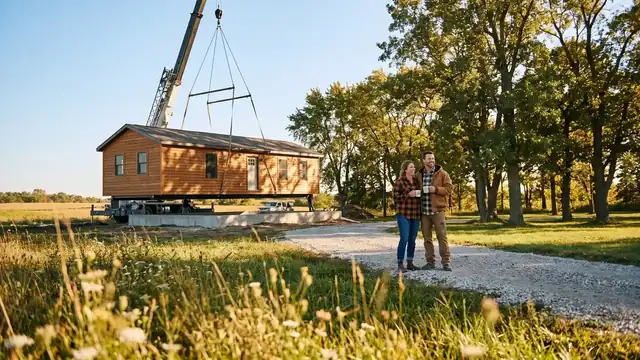
Benefits of modular homes: Cost savings, faster builds and sustainability
Discover the benefits of modular homes, including 10%-20% cost savings, builds up to 60% faster than site-built homes and greener, efficient construction.
11-minute read
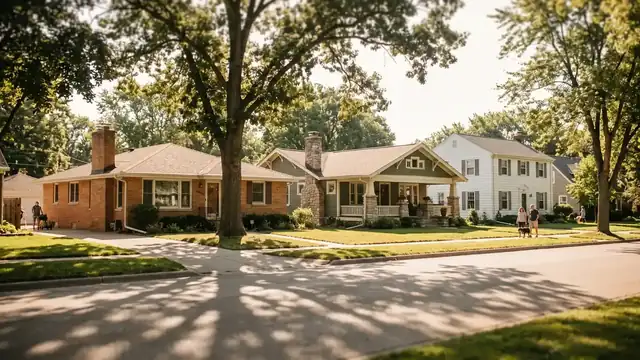
Guide to the Different Types of Houses by Structure and Style
Discover the different types of houses by structure and style, from ranch and colonial to craftsman and Victorian, and find which home type fits your life.
11-minute read
Craftsman Houses: History and Features That Still Win Buyers Over
Discover the history and signature features of Craftsman houses, from tapered porch columns to built-ins, and why buyers still love this style today.
15-minute read
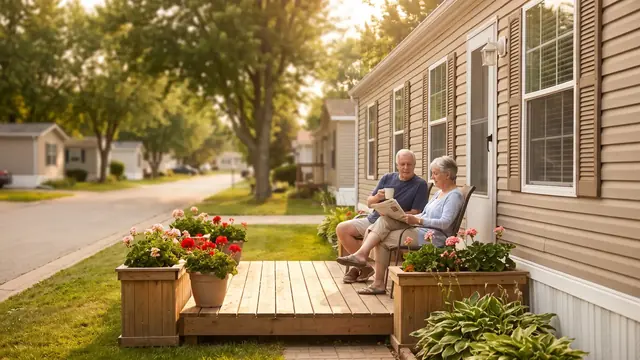
Manufactured Homes: Pros and Cons for Budget-Conscious Buyers
Compare the pros and cons of manufactured homes, from prices far below site-built houses to financing and resale trade-offs, and see if one fits your budget.
12-minute read
Buying a cul-de-sac house: The pros and cons to weigh before you offer
Learn the pros and cons of buying a cul-de-sac house, from lower traffic and safety to price premiums and parking limits, so you can decide with confidence.
17-minute read
The 12 safest cities in the US for buying a home
See the 12 safest US cities for home buyers, ranked on violent and property crime, traffic safety, and livability, plus how each balances safety with cost.
