
Home improvement and design: planning, costs, and financing

Every Home Improvement & Design guide in the Learn Center
The full home improvement & design library, so you can go straight to the question you actually have.
- 10 art deco interior design ideas for your home
- 10 ways to create a cozy home that actually feels lived in
- 9 popular ceiling types and how to choose the right one
- The benefits of smart irrigation systems for homeowners
- How to choose the right flooring for your home
- How to create a functional mudroom: Layout, storage and materials
- Creating a minimalist home: A practical room-by-room guide
- Design ideas for a modern home: 8 looks defining modern design now
- How to design a home gym: Space, equipment, flooring and layout
- DIY home security upgrades: What actually deters a break-in
- Earthquake-proofing your home: Retrofits, costs and safety steps
- Eco-friendly landscaping ideas: 10 ways to build a sustainable yard
- Eco-friendly roofing options: Cool, metal, solar and green roofs compared
- Energy-saving appliances for homeowners: What they save and how to choose
- The future of smart homes: 6 trends worth watching
- Home automation systems: How they work and where to start
- Home decor trends: what's in, what's out and what actually lasts
- Home renovation trends: 8 upgrades worth your budget now
- A guide to home soundproofing: Mass, absorption, decoupling and damping
- How to create a home spa bathroom on any budget
- How to create a low-maintenance landscape
- How to design a functional laundry room
- How to design a kid-friendly home without giving up your style
- How to design a pet-friendly home that still looks good
- How to improve your home's water efficiency
- How to upgrade your home's HVAC system
- How to upgrade your home's lighting
- Installing a backup generator: Costs, steps, and permits
- How to install a home EV charger: Costs, permits and steps
- Landscaping for water conservation
- Lifestyle and design: How to plan home improvements around how you actually live
- Modern design in older apartments: Upgrades renters can actually make
- Guide to outdoor kitchens: Costs, layout, materials and features
- Outdoor Living Spaces: Design Ideas That Add Real Value
- Pet-Friendly Home Upgrades: Practical Ideas for Every Pet Parent
- Pros and Cons of Installing a Skylight: Light, Cost and Leak Risk
- Renovating for Energy Efficiency: Where to Start for Maximum Impact
- Renovating a Historic Home: The Real Challenges and How to Handle Them
- Smart home devices for energy savings: what actually works
- The best smart home products, by category
- Smart home technology for homeowners: benefits and trade-offs
- Smart lighting solutions for homeowners: efficiency and safety
- Smart thermostats: benefits and real savings for homeowners
- Smart window treatments for energy efficiency: what to know
- Solar panels: costs, benefits and payback for homeowners
- Tips for creating an eco-friendly home, from swaps to upgrades
- Tips for decorating a rental home without losing your deposit
- Tips for designing a home theater: Room, layout, sound and lighting
- Top alternative energy products for homeowners, compared
- Trends in sustainable home design: Materials, efficiency and wellness
This article is for informational purposes only and is not intended to provide legal, financial, or tax advice. Consult a qualified professional about your situation.
Every home improvement project comes down to three decisions made before demolition starts: what problem the work solves, what it will realistically cost, and who does the work. Build the budget around a written scope plus a contingency of 10% – 20%, because hidden conditions surface in most renovations once the walls open. Cosmetic work is homeowner territory; anything touching structure, electrical, plumbing, or gas belongs to a licensed contractor and usually needs a permit.
Most guides skip the second half of the money question: how you pay decides how much you can do. A renovation loan, a cash-out refinance, and a home equity line all price differently on the same $50,000 kitchen.
Learn more about home improvement and design, including how to budget a project, where the DIY line sits, which upgrades pay for themselves, and how renovation financing works.
Key takeaways:
- Budget with a cushion: Price a written scope, collect three bids on it, then add 10% – 20% for contingencies, the difference between a change order and a stalled job.
- Know the licensing line: In Michigan, a contractor whose work totals $600 or more in labor and materials must hold a state residential builder or maintenance-and-alteration license, and systems work almost always needs a permit.
- Financing is shoppable: FHA’s Limited 203(k) allows up to $75,000 in rehabilitation costs, while Fannie Mae’s HomeStyle Renovation and Freddie Mac’s CHOICERenovation cap renovation costs at 75% of “as completed” appraised value, Align Lending prices all of them across multiple wholesale lenders.
How much should a home improvement project cost?
Take the priced scope and add 10% – 20%. That contingency isn’t padding. It covers the rotted subfloor, the undersized panel, and the code upgrade nobody could see through a finished wall.
- Write the scope before you call anyone: Room, dimensions, materials, fixture models, and what stays. A scope written after the first bid becomes the contractor’s scope, not yours.
- Compare bids on one document: If three bids on the same scope spread more than roughly 20%, the scope isn’t specific enough and you’re pricing different projects.
- Decide your cut list in advance: Name the two or three items you’ll drop if costs run over, so you make that call calmly instead of mid-demolition.
- Separate improvement from maintenance: Replacing a 22-year-old roof is maintenance; a new kitchen is improvement. Ownership already runs 1% – 4% of your home’s value a year, so fund the home maintenance reserve first. Our homeownership pillar covers how those buckets fit together.
Small rooms also cost more per square foot, because the fixture count doesn’t shrink with the room, a point our guide to renovating a small bathroom works through before you move plumbing.
Should you DIY or hire a licensed pro?
The dividing line isn’t difficulty, it’s liability. Work that can burn the house down, flood it, or hold up the roof belongs to a licensed contractor, and in Michigan any job of $600 or more in labor and materials legally requires one.
| Project | DIY-friendly | Licensed pro | Permit likely |
|---|---|---|---|
| Paint, trim, hardware, fixtures | Yes | Optional | No |
| Flooring and tile | Yes, with practice | Optional | No |
| Cabinet refacing and counters | Partially | Recommended for stone | No |
| Adding circuits or a new panel | No | Yes | Yes |
| Moving plumbing or gas lines | No | Yes | Yes |
| Removing walls, additions, egress windows | No | Yes | Yes |
Start with the projects that build skill without risk, our list of DIY home renovation projects is organized that way. Then confirm what your municipality requires, because home renovation permits are a resale issue, not just a construction one: unpermitted work surfaces at appraisal and can stall a closing.
Vet every pro the same way: verify the license, get insurance certificates from the carrier, call two recent references, and never pay a large deposit before a signed contract. That matters most on systems work like upgrading your home’s electrical system, where a cheap bid often means an unpermitted one.
Which home improvements actually return your money?
Most remodels return less than they cost at resale, so renovate for how you’ll live in the home first and the appraisal second. The projects that come closest to breaking even fix a functional deficiency or kill a recurring bill.
- Kitchens, scaled to the house: A gut renovation rarely returns its cost in a modest neighborhood, while refacing, counters, hardware, and lighting deliver most of the visual change, our guide to renovating a kitchen on a budget ranks the moves by impact per dollar.
- Square footage you already own: Finishing a basement or converting a garage into living space is usually cheaper per square foot than building new. Though in a snow state, losing covered parking has its own cost.
- Additions, with eyes open: An addition is the most expensive way to buy space and the likeliest way to overbuild the block. Read the pros and cons of adding a home addition, then compare it against simply moving.
- The envelope before the finishes: Buyers discount visible deferred maintenance far more than they reward a designer backsplash. If the roof is near end of life, start with roofing materials and their tradeoffs.
One caution: permitted work that adds finished space gets reported to the assessor and can raise your tax bill for years. Our taxes and money hub covers how assessments and cost basis work at sale.
Which efficiency upgrades pay for themselves?
Air sealing and insulation are the cheapest measurable win in the house. EPA estimates homeowners save an average of 15% on heating and cooling costs, roughly 11% of total energy costs, by air sealing and adding insulation in attics, floors over crawl spaces, and accessible basement rim joists, according to ENERGY STAR.
- Diagnose before you buy: A blower-door test and infrared scan show where the money is leaking, see the benefits of a home energy audit.
- Insulation and air sealing first: Attic depth, rim joists, and duct sealing are the highest-return items in most Michigan houses, our guide to upgrading your home’s insulation covers what to add and where.
- Windows are comfort more than payback: Replacement windows are among the slowest-paying upgrades on pure energy math, which makes them a comfort decision. Compare specifications in choosing energy-efficient windows.
- Water counts too: Products carrying the EPA’s WaterSense label are certified to use at least 20% less water than standard models while performing as well or better.
Sequence beats product selection: seal and insulate, then size the equipment. Our overview of energy-efficient home upgrades orders the list by payback period. One timing note. The federal Energy Efficient Home Improvement Credit and the Residential Clean Energy Credit both ended for property placed in service after December 31, 2025, so utility and manufacturer rebates are what’s left on 2026 projects. Confirm your situation with a tax professional.
Design projects that change how the house works
The highest-satisfaction projects fix a daily friction rather than a resale metric, and they’re often the cheapest here.
- Work-from-home space: A door, a circuit, and daylight matter more than square footage. Our guide to creating a home office space covers layout, sound, and the tax question that comes with it.
- Small-home strategy: Built-in storage, sightlines, and lighting buy back usable space without an addition, start with maximizing space in a small home.
- Design for the next 20 years: Curbless showers, wall blocking, and 36-inch doorways cost little during a remodel and a great deal to retrofit. See accessibility features in modern homes.
Then update your coverage. Adding finished space without raising your dwelling limit leaves you underinsured, the insurance and protection hub covers how to reset it before the contractor leaves.
How do you pay for home improvements?
Five paths cover almost every project, and the right one depends on the size of the job, your equity, and the rate on the mortgage you already have. A broker matters more here than on a plain purchase, because renovation products are specialty programs a retail bank may not offer at all.
- Cash and staged projects: The cheapest financing is none. Splitting a large project into funded phases costs nothing but time.
- Home equity loan or HELOC: Both leave your existing first mortgage untouched, which is the whole argument for them when your current rate is low. A line is useful when the final number is uncertain.
- Cash-out refinance: You replace the mortgage and take the difference in cash. On a one-unit primary residence, Fannie Mae caps a cash-out refinance at 80% loan-to-value, which sets a hard ceiling on the money available.
- Renovation loans: These underwrite to the home’s value after the work. FHA’s Limited 203(k) allows up to $75,000 in total rehabilitation costs for non-structural work; the Standard 203(k) handles structural projects and requires at least $5,000 in repairs. Fannie Mae’s HomeStyle Renovation and Freddie Mac’s CHOICERenovation both limit renovation costs to 75% of the “as completed” appraised value.
- Personal and contractor financing: Fast, unsecured, and priced accordingly, fine for small jobs, expensive for large ones.
Here’s the ceiling math. Say your home appraises at $300,000 and you owe $180,000. An 80% cash-out refinance supports a $240,000 loan, leaving roughly $60,000 before closing costs, enough for a $50,000 kitchen with a 20% contingency, but not that kitchen plus an addition.1 A renovation loan sized to the after-improved value often clears more room.
Because Align Lending is a broker rather than a bank, we price a 203(k), a HomeStyle, a CHOICERenovation, a cash-out refinance, and a home equity option against each other in one conversation, and say plainly when paying cash wins.
What Michigan homeowners should know
Three Michigan rules change how a project gets planned, priced, and taxed here.
- The $600 licensing threshold: Michigan exempts a contractor only when the aggregate contract price for labor and materials is under $600, and splitting a larger job into sub-$600 contracts to dodge the rule is expressly prohibited. Verify the license through the state before you sign, not after.
- Improvements are added outside the tax cap: Under Proposal A, taxable value can rise no more than 5% or the rate of inflation each year, whichever is less, but that cap excludes additions and new construction. Finished square footage is added on top of the capped increase, and taxable value uncaps to state equalized value the year after a transfer.
- Keep the exemption straight: Michigan’s principal residence exemption exempts your primary home from local school operating tax of up to 18 mills. It doesn’t offset what an improvement adds to taxable value, so confirm the affidavit is on file before hunting for why your bill jumped.
One scheduling note: roofing, concrete, and excavation compress into roughly April through October here, so interior work booked in January often prices better.
FAQ: Home improvement projects
Here are answers to common questions about home improvement projects.
How do I set a realistic home improvement budget?
Add 10% – 20% to a written scope with materials and labor priced separately. Get three bids on that identical scope, and decide in advance what you’ll cut if costs run over. Keep improvement money separate from your repair reserve, our guide to budgeting for home maintenance covers how much that reserve should hold.
Should I renovate before selling, or sell as-is?
It depends on whether the project fixes a defect or adds a preference. Buyers discount visible problems more sharply than they reward upgrades, so defect repair usually pays and taste-driven remodeling usually doesn’t. Match the neighborhood standard rather than overbuilding, and see renovation ideas that boost home value before you spend.
Do I need a permit for my home improvement project?
Usually yes if the work changes structure, footprint, or the electrical, plumbing, or mechanical systems. Cosmetic work such as paint, flooring, and cabinet replacement typically doesn’t. Rules vary by municipality, so call the building department first, and know that permitted additions get reported to the assessor, as our explainer on the impact of home improvements on property taxes describes.
Can I finance renovations into the mortgage when I buy a fixer-upper?
Yes, through renovation loans that underwrite to the home’s after-improved value rather than its current condition. FHA’s 203(k), HomeStyle Renovation, and CHOICERenovation roll purchase and repair costs into one first mortgage, with a contractor bid and draw schedule replacing the as-is appraisal. Not every lender offers them, our guide to financing home renovations explains what the file looks like.
The bottom line on home improvement
Plan every project as a written scope plus a 10% – 20% contingency, take three bids on that scope, and keep the DIY line where the liability is: cosmetic work is yours, and structural, electrical, plumbing, and gas work goes to a licensed pro in Michigan, required on any job of $600 or more. Renovate for how you’ll live in the house, and choose the financing before the tile. FHA’s Limited 203(k) reaches $75,000 in rehabilitation costs, HomeStyle and CHOICERenovation cap renovation costs at 75% of “as completed” value, and a cash-out refinance on a one-unit primary residence stops at 80% loan-to-value.
If you’re ready to fund a renovation without guessing at the terms, talk to Align Lending, we’ll shop renovation, cash-out, and home equity options across our lender network and show you the numbers side by side. Call 248-506-5727 or start online today.
This article is for informational purposes only and is not intended to provide legal, financial, or tax advice. Consult a qualified professional about your situation. Program terms, loan limits, and project figures shown are illustrative, are not a rate quote or an offer of credit, and are subject to lender overlays, agency updates, and change. Align Lending works with FHA-approved lenders and is not acting on behalf of, endorsed by, or sponsored by FHA or HUD.
Footnotes
1 Example figures are hypothetical and for educational purposes only; they do not constitute an advertisement of credit terms or a rate quote under federal or state lending laws. Your rate, terms, and available equity will depend on your application, your appraisal, and market conditions. Back to text
More on Homeownership
Featured resources

12-minute read
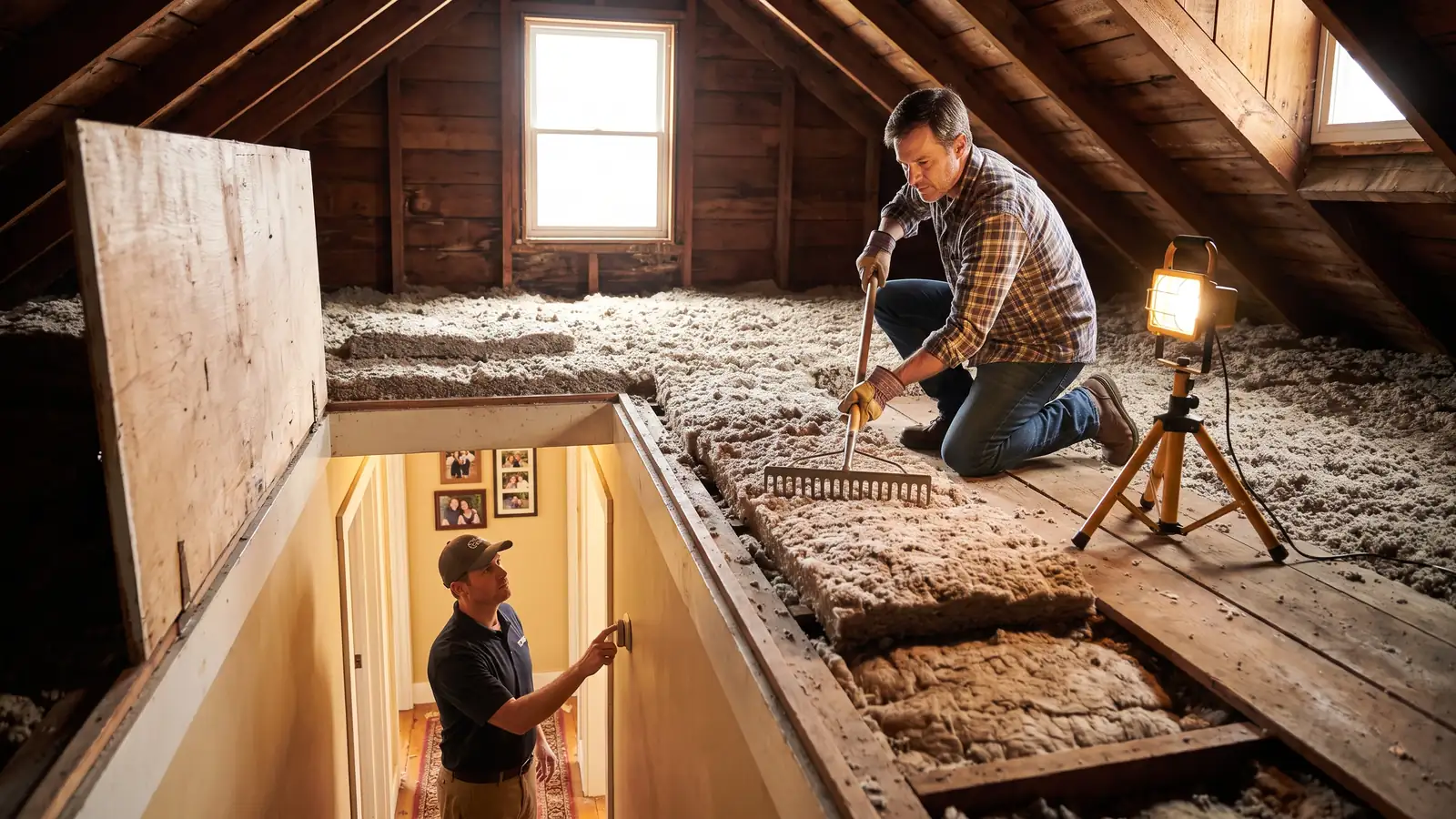
DIY home renovation projects: 12 upgrades you can actually finish
Discover DIY home renovation projects that upgrade your space on a budget, from peel-and-stick backsplashes to floating shelves and smart lighting.
12-minute read
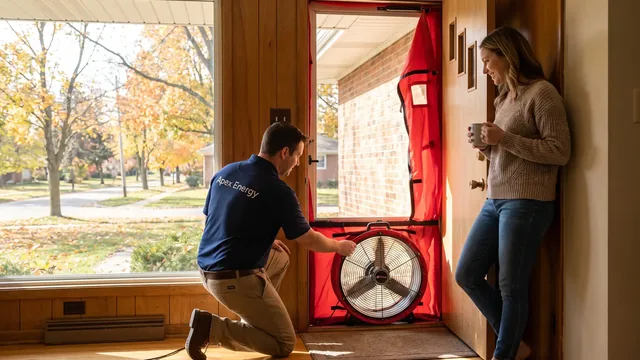
The benefits of a home energy audit and what it includes
Learn what a home energy audit finds, how blower door and infrared testing works, and why the Department of Energy links audits to 5% to 30% energy savings.

12-minute read
Home renovation permits: What you need and what they cost
Find out which home renovation permits you need, how the application and inspection process works, and what happens when unpermitted work shows up at resale.
11-minute read
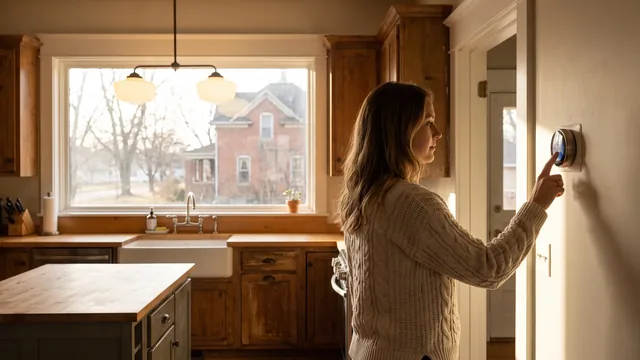
Home automation systems: How they work and where to start
Learn how home automation systems connect lights, locks and thermostats, what a starter setup costs, and which upgrades actually cut your energy bills.
