
Renovation ideas to boost home value: The highest-ROI projects
The renovations that reliably boost home value are exterior and modest, not interior and grand. Garage door replacement leads nearly every cost-versus-value ranking at close to or above 190% of its cost recovered, and entry door replacement comes in around 100.9%, the two projects that routinely return more than they cost.
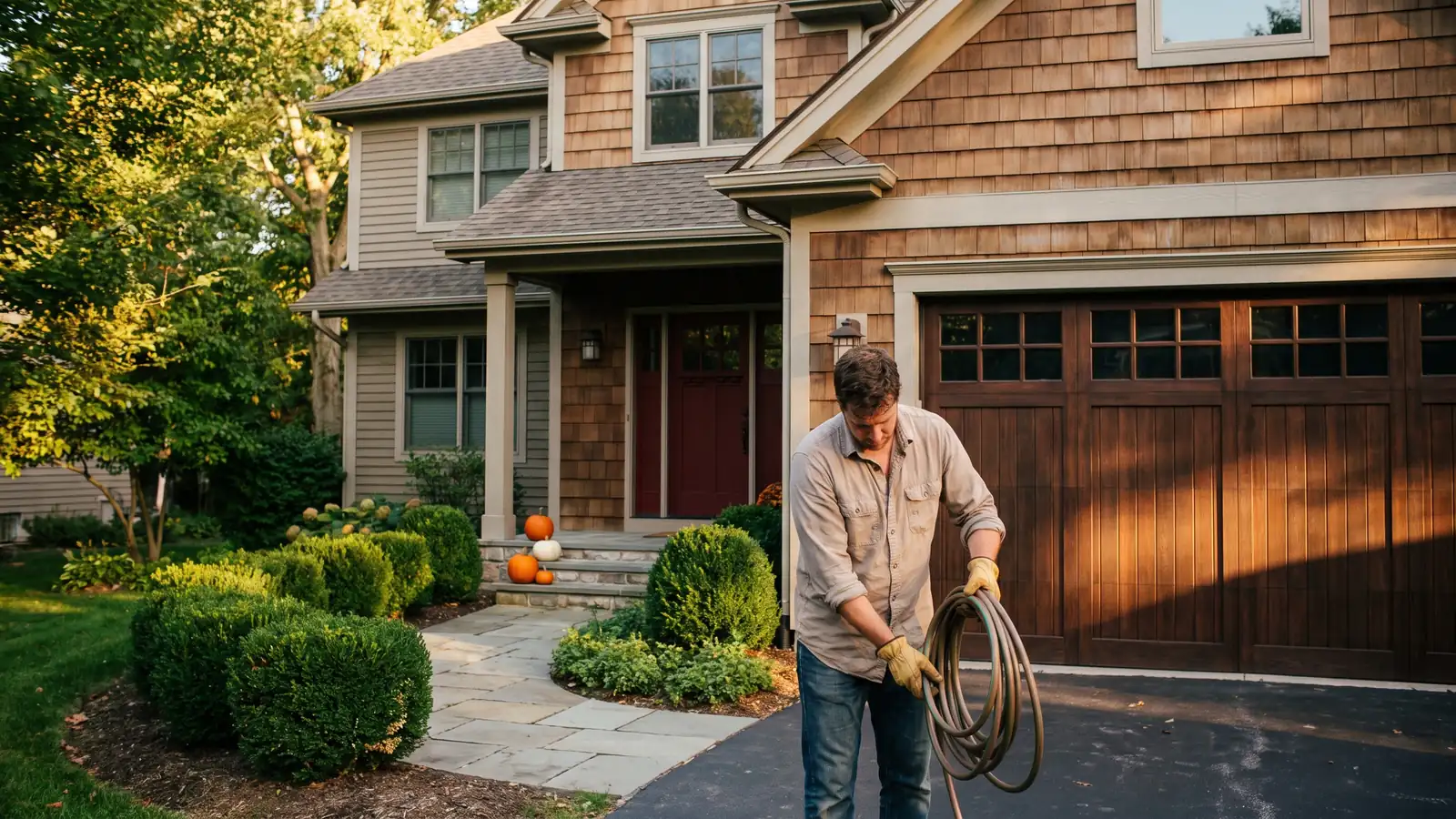
Indoors the math flips. A minor kitchen update recoups roughly 81% and a bathroom refresh roughly 70%, while gut remodels, pools, and luxury finishes recover far less. Buyers price what a home looks like it has been through, not what you spent.
Learn which renovation ideas boost home value, including how cost recouped is calculated, which projects to skip, and how homeowners pay for the work. For context, see our Homeownership guide and Home Improvement & Design hub.
Key takeaways:
- Curb appeal returns the most per dollar: Garage door replacement recovers close to or above 190% of its cost and entry door replacement about 100.9%, because both set a buyer’s expectation before anyone walks inside.
- Minor beats major indoors: A minor kitchen update recoups roughly 81% and a bathroom refresh roughly 70%, while a full gut remodel with high-end appliances recovers far less.
- Permits decide whether new space counts: Finished square footage and an added bathroom are 2 of the few changes an appraiser credits directly, and unpermitted work can be excluded from the appraisal or flagged as a repair item instead.
Which renovation ideas boost home value the most?
Ten projects account for most of the value homeowners recover, and the highest-returning ones cost the least. Ranked by share of cost recovered at resale, the exterior wins.1
| Project | Relative cost | Typical cost recovered | Effort |
|---|---|---|---|
| Garage door replacement | Low | Close to or above 190% | 1-day install |
| Entry door replacement (steel) | Low | About 100.9% | 1-day install |
| Manufactured stone veneer | Low to moderate | Among the top-ranked exterior projects | Several days, contractor |
| Exterior paint or siding refresh | Moderate | High relative to cost; quote-driven | 1 to 2 weeks, contractor |
| Landscaping and walkway lighting | Low to moderate | High relative to cost; quote-driven | A weekend or more; DIY-friendly |
| Minor kitchen update | Moderate | About 81% | 2 to 4 weeks |
| Bathroom refresh | Low to moderate | About 70% | 1 to 2 weeks |
| Energy-efficient window replacement | High | Partial, plus ongoing energy savings | Several days, contractor |
| Finished basement or added bathroom | High | Partial; the square footage is what appraises | 1 to 3 months, permitted |
| Smart thermostat, lock and video doorbell | Low | Not appraised; buyer appeal only | Hours; DIY-friendly |
The top of that table shares three traits: modest cost, visible from the street, and a signal the home has been maintained rather than customized. Dollar figures are absent because pricing is quote-driven, check current project cost ranges by renovation type, then get three written bids on the same scope.
How is renovation ROI actually calculated?
Renovation ROI is reported as cost recouped: the estimated resale value a project adds, divided by what it cost. A 190% figure means the value added is roughly 1.9 times the price of the work; a 70% figure means about 30 cents of every dollar stays in the house instead of coming back at closing.
- Cost recouped is not value added: A cheap project with a modest dollar gain posts a huge percentage; an expensive one that adds tens of thousands can post a mediocre one. Percentages rank efficiency, dollars rank impact.
- An appraiser does not add up your receipts: Value comes from comparable sales, so an improvement is worth what buyers nearby already paid for it, see the home appraisal process for how those adjustments get made, and why home appraisals matter for what happens when the number lands short.
That produces the most expensive mistake in renovation: the neighborhood ceiling. Every block has a price band buyers will support, and money spent pushing past it stays in the house. A $90,000 kitchen where nothing on the street sells above $325,000 isn’t an investment, it’s a preference. Check FHFA House Price Index trends for your market, then ask an agent what the top three sales on your street closed at.
Curb appeal: the highest-return category
Four exterior projects occupy most of the top of the rankings, and together they typically cost less than one mid-range kitchen. Buyers form a price opinion from the driveway.
Garage door replacement
Garage door replacement is the ROI leader at close to or above 190% of cost. On most suburban elevations the door is the largest visual surface on the front of the house, so replacing a dented or 1990s-vintage panel changes the whole face of the home for a fraction of a facade project.
Entry door replacement
Entry door replacement recoups roughly 100.9% of its cost, a wash on the money with a large gain in first impression. A steel or fiberglass door with modern hardware reads as security and maintenance at once. Paint color is nearly free leverage: a fresh, saturated door is the cheapest photograph-improving change in the catalog.
Exterior surfaces: paint, siding and stone veneer
Fresh paint and manufactured stone veneer rank high because they erase visible age without changing the house. Stick to neutral, timeless palettes rather than a color you love. The objective is to make the home feel newer to the widest pool of buyers. Costs swing with square footage and prep, so budget from bids.
Landscaping and outdoor lighting
Landscaping delivers outsized impact for little money, and much is DIY-accessible: trimmed shrubs, defined bed edges, fresh mulch, a clean walkway, low-voltage path lighting. Buyers reward tidy, not elaborate. A design that survives a Michigan winter without weekly attention protects the return, see improving your home’s curb appeal. NAR research on what buyers value most tracks how those preferences shift by market.
Interior updates that actually pay
Indoors, refresh beats replace. A minor kitchen update recoups roughly 81% and a bathroom refresh roughly 70%, and both figures fall once the scope crosses into moving plumbing or buying appliances above the neighborhood norm. Neutral paint and upgrading your home’s lighting are the cheapest leverage of all, they change how a home photographs without touching the floor plan.
Minor kitchen updates
A minor update means new hardware, refaced or repainted cabinet boxes, updated lighting, a modest countertop upgrade, and a new sink and faucet, layout untouched. Leaving the sink, range, and refrigerator in place avoids relocating plumbing, gas, and electrical, the change that quietly adds cost to every trade on the job. Our guide to renovating a kitchen on a budget breaks the scope tiers down.
Bathroom refreshes
Bathrooms reward the same discipline: new fixtures, refreshed tile, a modern vanity, better lighting, and an exhaust fan that works. Buyers notice function and cleanliness far more than whether the tile is porcelain or ceramic.
Adding usable space: what counts and what doesn’t
Added living area is one of the few improvements an appraiser credits line by line, but only when it’s permitted and finished to code. Unpermitted work can be left out of the appraisal entirely, or written up as a repair item that must be corrected before a buyer’s loan closes.
- Pull the permit, always: Your local building department decides which projects need permits, and the sign-off is what proves the space is legal square footage, see our guide to home renovation permits.
- Basement bedrooms need code-compliant egress: A below-grade sleeping room generally requires an emergency escape and rescue opening, and your building department sets the dimensions. Without one it’s a rec room, not a bedroom, and bedroom count is a headline field on the appraisal grid.
- Additions are a different animal: A bump-out or second story can suit a family that intends to stay, but it rarely returns its cost on a short horizon. Weigh the pros and cons of adding a home addition first.
Systems and efficiency upgrades buyers notice
Systems work rarely tops an ROI ranking and still belongs on the list, because a failing system is a price reduction waiting to happen. Buyers won’t pay a premium for a 4-year-old furnace, but they will discount a 22-year-old one.
- Windows: Replacement windows return a partial share of cost plus ongoing energy savings, and they’re among the most expensive projects here.
- Heating, cooling and insulation: Attic insulation and air sealing are the cheapest efficiency projects available, and a furnace near the end of its life is worth replacing before you list rather than negotiating over. Our roundup of energy-efficient home upgrades ranks them by cost.2
- Roof and drainage: Roofs are condition items, not value-add items. A sound roof doesn’t raise your price; a failing one caps it and can complicate a buyer’s financing.
- Backup power: Where outages are frequent, a standby generator is a real differentiator, though it’s a resilience purchase more than a value play.
- Smart home technology: A smart thermostat, lock, and video doorbell cost little and appeal to younger buyers, but they aren’t appraised as value, see home automation systems.
What not to renovate if you want the money back
The fastest way to lose money on a renovation is to build something only you want. These projects consistently return the least.
- Pools: A pool is among the weakest performers on cost recovery, and it narrows your buyer pool, since some buyers avoid the maintenance, insurance, and safety obligations outright, our look at buying a home with a pool covers the carrying costs.
- Elaborate outdoor construction: Decks, patios, and outdoor kitchens recover only part of their cost, with the fancier tiers returning least. Build them for your own use.
- Converting the garage: Trading covered parking for living area is usually a net negative in markets with real winters.
- Over-personalized finishes: Bold wall colors, themed rooms, quirky fixtures, and imported materials above the neighborhood norm read as work to the next buyer.
- DIY beyond your skill level: Visible poor workmanship discounts a home more than the original defect did. Our list of realistic DIY home renovation projects draws the line.
How to pay for renovations that boost home value
Four options fund most of this work, and the right one depends on your equity and whether the project is one job or several. Compare each against the expected value gain, not just the monthly payment.
- Home equity loan or HELOC: Best for phased projects, since a line lets you draw as each stage comes due while leaving your first mortgage alone.
- Cash-out refinance: Suited to a single large project, and it replaces your first mortgage, so the math on the whole loan has to work, not just the cash you’re pulling.
- Renovation mortgages: Fannie Mae HomeStyle Renovation, Freddie Mac CHOICERenovation, and FHA 203(k) loans underwrite to the home’s after-improved value rather than its current value, which makes them the answer when equity is thin.3
- Cash: Still cheapest for small refreshes. Paint, hardware, landscaping, and a new entry door rarely justify a loan.
Our guide to financing home renovations compares the four side by side. Because Align is a broker rather than a direct lender, we place the three loan options through competing wholesale partners and compare them on one file. Renovation pricing varies more between lenders than on a standard purchase loan.
What Michigan homeowners should know
Michigan runs one statewide construction code enforced by local building departments, so the code answer is the same in Waterford as in Grand Rapids. While permits, fees, and assessment practice are local. Three things shape which projects appraise well here.
- One code, local permits: The Michigan Residential Code adopts the 2015 International Residential Code by reference and is administered by the Bureau of Construction Codes at the Department of Licensing and Regulatory Affairs, while the permit comes from the city, village, or township where the house sits. Basement egress is enforced at that local counter.
- Winter-proof condition sells: Michigan buyers read a home through a heating season running roughly October through April. A furnace rated 90% AFUE or higher, an insulated garage door, adequate attic insulation, and a roof with life left move a walkthrough here more than a designer backsplash does.
- The permit reaches your assessor: Michigan limits how much a property’s taxable value can rise year to year while you own the home, but new construction and improvements are handled separately from that annual limit, so a permitted addition can raise your tax bill even in a year the cap otherwise holds. Read our guide to the impact of home improvements on property taxes, then confirm your project with your local assessor and a tax professional.4
How Align finances a renovation
You are not just financing the house. You are financing a plan for it. Align places HomeStyle and FHA 203(k) renovation loans, standalone HELOCs and home equity loans, so the project can be paid for the way that fits it, not the way one bank prefers.
Samantha starts with why: what the work is, what it should cost, and whether your equity or a renovation loan is the better tool. Then one application goes to multiple wholesale lenders.
FAQ: Renovations that boost home value
Here are answers to common questions about renovations that boost home value.
Which home renovation has the highest ROI?
Garage door replacement consistently ranks first, recovering close to or more than its full cost, followed by entry door replacement, manufactured stone veneer, and minor kitchen updates. All share the same traits: modest cost, visible on first impression, and a signal the home has been maintained rather than customized. Buyer reactions aren’t always intuitive.
Does a kitchen remodel increase home value?
A minor kitchen update does, recouping roughly 80% of its cost through new hardware, refaced cabinets, updated lighting, and modest counter upgrades. A full gut remodel with high-end appliances recovers a much smaller share, because buyers rarely pay a dollar-for-dollar premium for finishes above the neighborhood norm.
Should I renovate before selling my home?
Focus on condition and curb appeal, not transformation. Fresh paint, landscaping, door replacement, deep cleaning, and fixing anything an inspector will flag deliver the best return in the shortest window. Large discretionary remodels rarely pay off on a compressed timeline. Working backward from the home inspection checklist for buyers tells you which repairs come first.
How do I finance value-boosting renovations?
Home equity loans and HELOCs work well for phased projects, a cash-out refinance suits larger single projects when the rate math works, and renovation mortgages such as HomeStyle Renovation or FHA 203(k) underwrite to the after-improved value when equity is thin. Compare the total cost of each against the expected value gain, not just the payment. The same math applies on a purchase, see the advantages of buying a fixer-upper.
The bottom line on renovations that boost home value
The renovations that boost home value are the modest, visible, exterior ones. Garage door replacement leads nearly every ranking at close to or above 190% of cost recovered, entry door replacement lands around 100.9%, and exterior paint and landscaping deliver outsized impact for little money. Indoors, a minor kitchen update recoups roughly 81% and a bathroom refresh roughly 70%, while gut remodels, pools, and finishes above the neighborhood norm return the least. Added square footage pays only when it’s permitted. Rank projects by condition first, curb appeal second, personal preference last.
If you’re ready to fund a renovation without guessing at the financing, talk to Align Lending. We’ll shop HELOCs, cash-out refinances, and renovation loans across our lender network and show you the numbers side by side. Call 248-506-5727 or start online.
Footnotes:
1. Cost-recouped percentages in this article are national and regional averages published by third-party remodeling cost-versus-value research and reported by consumer finance and home services publishers. They describe what other projects have returned on average, not what yours will return, and the figures are revised annually and move with material and labor costs. They are not an appraisal, an estimate, a bid, or an offer of credit. Where pricing is entirely quote-driven, this article states relative cost tiers rather than dollar figures on purpose. Return to text.
2. The federal Energy Efficient Home Improvement Credit under Internal Revenue Code § 25C applied to qualifying property placed in service before December 31, 2025, and is not available for property placed in service after that date. Do not budget a renovation around a federal, state, or utility incentive without confirming its current status. This is general information, not tax advice; consult a qualified tax professional about your situation. Return to text.
3. Align Lending is not acting on behalf of or at the direction of FHA or HUD. Program terms for FHA 203(k), Fannie Mae HomeStyle Renovation, and Freddie Mac CHOICERenovation loans are set by those agencies, are subject to change, and individual lenders may apply additional requirements. Eligibility is determined by a full application. Return to text.
4. This is a general description of Michigan construction code administration and property assessment, and it is not legal or tax advice. Permit thresholds, fee schedules, inspection requirements, and egress dimensions are set and enforced by the municipality with jurisdiction over your address, and the treatment of any specific improvement for property tax purposes is determined by your local assessor under Michigan law. Return to text.
Sources: garage door replacement recovering close to or above 190% of cost, entry door replacement at approximately 100.9%, minor kitchen updates at approximately 81%, and bathroom refreshes at approximately 70%, remodeling cost-versus-value research as reported by Money.com, Bankrate, Zillow, and industry remodeling and door publishers. Relative ranking of curb appeal, window replacement, basement finishing, and smart home technology, same sources. Cost recouped defined as estimated resale value added divided by project cost, remodeling cost-versus-value methodology. House price trends by market, Federal Housing Finance Agency House Price Index. Buyer preference research, National Association of REALTORS® research and statistics. Project cost ranges by renovation type, Angi. Michigan Residential Code adoption of the 2015 International Residential Code, Mich. Admin. Code R 408.30500 et seq., administered by the Bureau of Construction Codes, Michigan Department of Licensing and Regulatory Affairs. Michigan treatment of additions and new construction separately from the annual cap on taxable value increases, MCL 211.27a and MCL 211.34d. Emergency escape and rescue opening requirements for below-grade sleeping rooms, Michigan Residential Code; exact dimensions are enforced locally and are deliberately not stated here as numbers. Energy Efficient Home Improvement Credit expiration for property placed in service after December 31, 2025, Internal Revenue Service. Renovation lending against as-completed value, Fannie Mae HomeStyle Renovation, Freddie Mac CHOICERenovation, and FHA 203(k) program guidelines.
Dedicated media rooms sit at the enjoyment end of the spectrum rather than the resale end, which changes how you should budget for one.
This article is for informational purposes only and is not intended to provide legal, financial, or tax advice. Renovation costs, return-on-investment figures, permitting requirements, code provisions, and property assessment practice vary by jurisdiction and change over time; verify them with your local building department, licensed contractors, a licensed appraiser or real estate professional, and a qualified tax professional before relying on them. Program terms and figures shown are illustrative, are not a rate quote or an offer of credit, and are subject to change. Align Lending is an independent Michigan mortgage broker, NMLS #2041154.
Related resources

12-minute read
Energy-efficient home upgrades: What to do first, and what it saves
See which energy-efficient home upgrades pay off first, from air sealing and insulation to heat pumps and solar, with real costs and yearly savings.

12-minute read
DIY home renovation projects: 12 upgrades you can actually finish
Discover DIY home renovation projects that upgrade your space on a budget, from peel-and-stick backsplashes to floating shelves and smart lighting.
12-minute read
The benefits of a home energy audit and what it includes
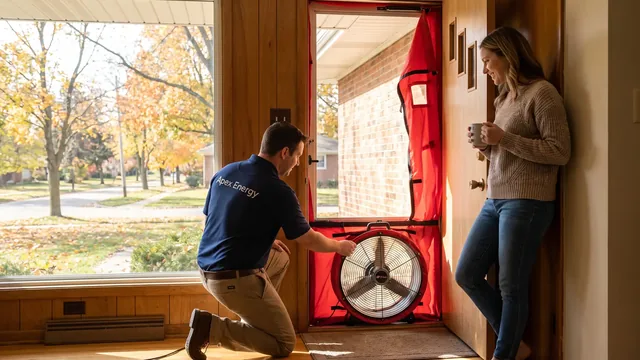
Learn what a home energy audit finds, how blower door and infrared tests work, and why the Department of Energy ties audits to 5% to 30% savings.
3-minute read
Homeowner association fees: What they cover and how they affect you
Learn how HOA fees work, what they cover, and why the national average runs about $243 a month, so you can budget before buying in an association.
