Homeownership: Costs, maintenance, and protecting your home

Featured resources
12-minute read
DIY home renovation projects: 12 upgrades you can actually finish
Discover DIY home renovation projects that upgrade your space on a budget, from peel-and-stick backsplashes to floating shelves and smart lighting.
12-minute read
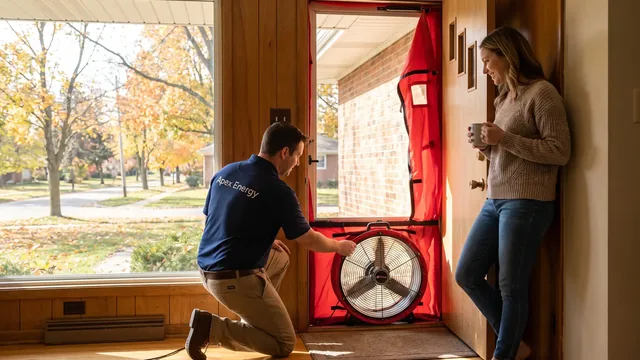
The benefits of a home energy audit and what it includes
Learn what a home energy audit finds, how blower door and infrared testing works, and why the Department of Energy links audits to 5% to 30% energy savings.

12-minute read
Home renovation permits: What you need and what they cost
Find out which home renovation permits you need, how the application and inspection process works, and what happens when unpermitted work shows up at resale.

11-minute read
Home automation systems: How they work and where to start
Learn how home automation systems connect lights, locks and thermostats, what a starter setup costs, and which upgrades actually cut your energy bills.
12-minute read
Renovation Ideas to Boost Home Value: The Highest-ROI Projects
Compare renovation ideas to boost home value by return on investment, from garage and entry doors above 100% ROI to minor kitchen and bath refreshes.
12-minute read
How to choose the right flooring for your home
Compare flooring options for durability, moisture and budget, from luxury vinyl plank and porcelain tile to hardwood, and find the best fit per room.
11-minute read
How to choose energy-efficient windows for your climate
Learn how to choose energy-efficient windows using NFRC U-factor and SHGC ratings, frame materials and climate zone, so you buy the right glass once.
12-minute read
How to evaluate home insurance options: Coverage, limits and quotes
Learn how to evaluate home insurance options by comparing dwelling limits, deductibles, exclusions and discounts so your coverage truly rebuilds your home.
12-minute read
Seasonal home maintenance checklist for every season
Find a seasonal home maintenance checklist covering exterior, interior, HVAC and plumbing tasks for all four seasons, keeping repairs small and planned.

12-minute read
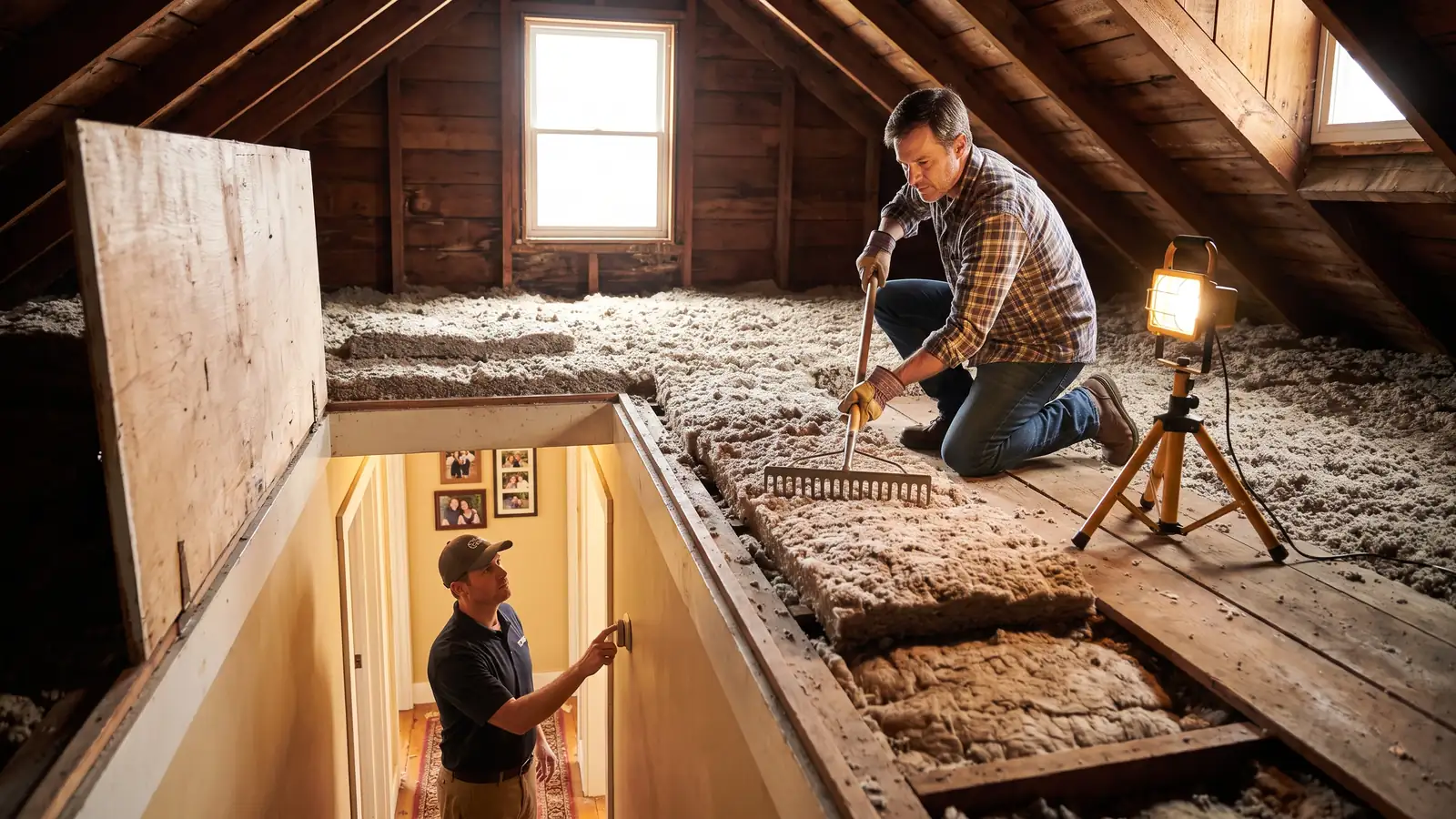
Upgrading your home’s insulation: R-values, costs, and savings
Learn how upgrading home insulation works, including recommended R-values, typical costs of $1,065 to $2,630, and the energy savings you can expect.
12-minute read
Home renovation trends: 8 upgrades worth your budget now
See the home renovation trends shaping remodels now, from energy efficiency and spa bathrooms to defined rooms and bold color, plus which projects hold value.
12-minute read
How to upgrade your home’s lighting
Learn how to upgrade your home’s lighting with layered ambient, task, and accent light, LED bulbs that cut energy use, and smart controls that set the mood.
12-minute read
Smart home technology for homeowners: benefits and trade-offs
Discover how smart home technology for homeowners improves comfort, security, energy use and resale appeal, plus the privacy and compatibility trade-offs.
12-minute read
Converting a garage into living space: Costs, permits and value
Learn what a garage conversion involves, from permits and insulation to typical costs and resale tradeoffs, before you turn parking space into living space.
11-minute read
Home maintenance for first-time homeowners: A full checklist
Learn what home maintenance for first-time homeowners involves, with monthly, seasonal, and annual tasks plus how much to budget each year for upkeep.

12-minute read
How to budget for home maintenance: The 1% rule and more
Learn how to budget for home maintenance using the 1% to 3% rule and the dollar-per-square-foot method, and how to size the fund for an older or larger home.

11-minute read
Winterizing your home: how to seal, insulate and protect before the first freeze
Learn how to winterize your home step by step, from sealing drafts to insulating pipes and prepping the furnace, so you avoid frozen pipes this winter.
12-minute read
Renovating for Energy Efficiency: Where to Start for Maximum Impact
Find out where to start when renovating for energy efficiency: audit first, then air sealing and insulation, then HVAC, then renewables, for top savings.
12-minute read
Smart home devices for energy savings: what actually works
Compare smart home devices for energy savings, from thermostats that cut HVAC use 10% to 15% to plugs that kill standby draw, and see which upgrades pay off.
12-minute read
Homeowners insurance deductibles: How they work and how to choose one
Learn how homeowners insurance deductibles work, why percentage deductibles can cost thousands more, and how to pick an amount that fits your savings.
12-minute read
Creating a home office space that actually works
Learn how to create a home office that works, from choosing the right room and desk height to ergonomic seating, lighting and storage that keeps you focused.
12-minute read
How to improve your home’s water efficiency
Learn how to improve your home’s water efficiency by fixing hidden leaks, upgrading to WaterSense fixtures, and watering smarter, and cut your utility bill.
11-minute read
How to renovate a small bathroom
Learn how to renovate a small bathroom for real function. See typical costs, code clearances, space-saving fixtures, and the order the work should happen in.
12-minute read
How to upgrade your home’s HVAC system
Learn how to upgrade your home’s HVAC system for efficiency, see which upgrades pay back fastest, from duct sealing to smart thermostats and heat pumps.
11-minute read
Smart lighting solutions for homeowners: efficiency and safety
Learn how smart lighting solutions for homeowners cut electricity use with schedules, sensors and dimming, improve nighttime safety and deter break-ins.
12-minute read
Accessibility features in modern homes: A room-by-room guide
Discover the accessibility features modern homes use, from 36-inch doorways to zero-step entries and roll-in showers, plus how to add them stylishly.
12-minute read
Eco-friendly landscaping ideas: 10 ways to build a sustainable yard
Discover eco-friendly landscaping ideas that cut water use and support pollinators, including native plants, rain gardens, mulch and permeable paving.
12-minute read
The impact of home improvements on property taxes
Learn how home improvements affect property taxes, which projects trigger reassessment, which ones don’t, and how Michigan’s Proposal A cap changes the math.

11-minute read
Maximizing space in a small home: Storage, layout and visual tricks
Learn practical ways of maximizing space in a small home, from vertical and hidden storage to furniture arrangement that makes rooms feel larger.
13-minute read
Property Tax Assessments: How They Work and How to Appeal Yours
Learn how property tax assessments work, why a higher assessed value may not raise your bill, and the step-by-step process for filing a winning appeal.
12-minute read
Condo vs. Co-op: Similarities and Differences Every Urban Buyer Should Know
Compare condo vs. co-op ownership, monthly fees and board approval rules so you can choose the urban home type that fits your budget and lifestyle.

12-minute read
Energy-saving appliances for homeowners: What they save and how to choose
Learn how energy-saving appliances cut utility bills 5% to 30%, what the ENERGY STAR label really means, and how to stack rebates on your next upgrade.
11-minute read
How to address water damage in your home: A step-by-step plan
Learn how to address water damage in your home fast, from shutting off water and power to drying materials before mold starts growing in 24 to 48 hours.
12-minute read
Addressing mold issues in your home: Detection and removal
Learn how to identify mold in your home, when a patch is safe to clean yourself, and when EPA guidance says to hire a pro, plus how to stop it from returning.
12-minute read
Design ideas for a modern home: 8 looks defining modern design now
Discover modern home design ideas, from organic modern materials and arches and curves to textured walls and flexible rooms you can adapt over time.
12-minute read
DIY home security upgrades: What actually deters a break-in
Learn which DIY home security upgrades actually deter break-ins, from Grade 1 deadbolts and strike plates to motion lights, cameras and smart locks.
12-minute read
Flood insurance: When it’s required, what it covers and what it costs
Find out when flood insurance is required, why a quarter of claims come from low-risk areas, and how the 30-day NFIP waiting period affects your closing.
11-minute read
The future of smart homes: 6 trends worth watching
Discover the smart home trends to watch, from Matter interoperability and AI security to air quality monitoring and voice control that adapts to you.
12-minute read
How to create a low-maintenance landscape
Learn how to create a low-maintenance landscape using plant zoning, drought-tolerant natives, and hardscape that cuts mowing, watering, and weeding for good.
12-minute read
The pros and cons of buying a condo: Is it right for you?
Compare the pros and cons of buying a condo, from lower prices and low-maintenance living to HOA fees and rules, so you can decide if condo life fits you.
13-minute read
Smart home security systems: benefits, features and cost
Learn how smart home security systems work, what cameras, sensors and smart locks actually add over a traditional alarm, and where insurance discounts apply.
12-minute read
Smart thermostats: benefits and real savings for homeowners
See how smart thermostats cut heating and cooling bills 10% to 20% a year through learning schedules, geofencing and remote control, and who benefits most.
12-minute read
9 popular ceiling types and how to choose the right one
Compare 9 popular ceiling types, from flat and tray to coffered and cathedral, with the height, cost and room fit each one needs before you commit.
13-minute read
Eco-friendly roofing options: Cool, metal, solar and green roofs compared
Compare eco-friendly roofing options including cool roofs, metal, solar shingles and green roofs, with lifespans, energy savings and cost tradeoffs.
12-minute read
Home insurance and renovations: What to tell your insurer
Learn how renovations change your home insurance, which upgrades raise or lower premiums, and why calling your insurer before demolition protects you.
12-minute read
A guide to home soundproofing: Mass, absorption, decoupling and damping
Learn how home soundproofing works using mass, absorption, decoupling and damping, plus which DIY fixes quiet a room and which need a contractor.
12-minute read
How to clean gutters: DIY vs. professional
Compare DIY and professional gutter cleaning on cost, safety, and thoroughness, with typical pro pricing of $100 to $300 and how often gutters need it.
12-minute read
How to maintain a home’s plumbing system
Learn how to maintain a home’s plumbing system with a monthly and annual checklist covering leaks, drains, water heater flushing, and pressure checks.
12-minute read
How to renovate a kitchen on a budget
Learn how to renovate a kitchen on a budget by keeping the layout, refinishing cabinets, and choosing stock materials, see where the money actually goes.
12-minute read
The impact of new tax laws on homeownership costs
See how new tax laws change homeownership costs, from the $40,000 SALT deduction cap to permanent mortgage interest deductions and expiring energy credits.
12-minute read
Maintaining a home’s roof: Tips and tricks
Learn how to maintain a home’s roof with a seasonal checklist, the warning signs to catch early, and the gutter and ventilation habits that add years of life.
12-minute read
Pros and Cons of Adding a Home Addition: What to Weigh Before You Build
Compare the pros and cons of adding a home addition, from added square footage and avoided moving costs to construction disruption and zoning limits.
14-minute read
Benefits of modular homes: Cost savings, faster builds and sustainability
Discover the benefits of modular homes, including 10%-20% cost savings, builds up to 60% faster than site-built homes and greener, efficient construction.
12-minute read
The benefits of smart irrigation systems for homeowners
See how smart irrigation systems use weather data and soil sensors to cut outdoor water use, what a WaterSense controller saves, and when it pays off.
13-minute read
The cost of home repairs: Planning for the unexpected
Find out how much to budget for home repairs each year, which systems cost the most to replace, and how to build a repair fund before an emergency.
11-minute read
Creating a minimalist home: A practical room-by-room guide
Learn how creating a minimalist home works, from the 90/90 declutter rule to neutral palettes and hidden storage, without rooms feeling cold or empty.
12-minute read
How to create a sustainable home: A practical room-by-room guide
Learn how to create a sustainable home room by room, from insulation and heat pumps to water savings, low-VOC materials and smart energy controls.
12-minute read
Fire safety tips for homeowners: What actually prevents home fires
Learn fire safety tips for homeowners that actually reduce risk, from smoke alarm placement and kitchen habits to escape plans and electrical checks.
13-minute read
Green building certifications for homes: LEED, NGBS, PHIUS and more
Compare green building certifications for homes, including LEED, NGBS, PHIUS and DOE Zero Energy Ready, with costs, timing and what each one measures.
11-minute read
Home decor trends for 2025: What’s in, what’s out and what lasts
See the home decor trends for 2025, from organic modern materials and curved furniture to warm earth tones, plus low-cost ways to try each one.
11-minute read
Home maintenance tips for new owners: Monthly to yearly
See the home maintenance tips new owners need, organized by frequency and by area of the house, so nothing slips until it becomes a costly repair bill.
13-minute read
How to design a functional laundry room
Learn how to design a functional laundry room with three work zones, the right clearances, durable counters, and storage that keeps supplies off the floor.
12-minute read
Installing a backup generator: Costs, steps, and permits
Learn how installing a backup generator works, from sizing and site prep to transfer switches and permits, so your home stays powered through the next outage.
11-minute read
Home exterior maintenance: A season-by-season checklist
Learn how home exterior maintenance works season by season, from roof and gutter checks to paint and sealing, so you catch problems while they’re small.
12-minute read
Outdoor Living Spaces: Design Ideas That Add Real Value
Discover outdoor living space design ideas, covered patios, outdoor kitchens, fire features and easy landscaping, that expand your usable square footage.
11-minute read
Small space living: How to make a small home feel bigger
Learn how small space living works, from decluttering and multifunctional furniture to vertical storage, so a compact home feels open and organized.
12-minute read
Understanding capital gains tax exemptions on a home sale
Learn how capital gains tax exemptions work on a home sale, including the $250,000 and $500,000 exclusions, the 2-of-5-year rule, and partial exceptions.
11-minute read
Guide to the Different Types of Houses by Structure and Style
Discover the different types of houses by structure and style, from ranch and colonial to craftsman and Victorian, and find which home type fits your life.
12-minute read
How to choose a home security system: 7 factors that matter
Compare DIY and professionally monitored home security systems, including equipment costs, monthly fees, contracts, and the insurance discount you earn.
12-minute read
Insuring a historic home: What to know
Learn what insuring a historic home really requires, guaranteed replacement cost, ordinance or law coverage, and the gaps a standard policy leaves behind.
12-minute read
Modern design in older apartments: Upgrades renters can actually make
Find out how to bring modern design into an older apartment with reversible, renter-friendly upgrades to lighting, hardware, and layout.
12-minute read
Mortgage interest deductions: How they work
Learn how the mortgage interest deduction works, the $750,000 debt limit, and why the standard deduction means most homeowners never actually claim it.
12-minute read
Navigating HOA Regulations: How to Understand, Follow and Challenge Your Community’s Rules
Learn how HOA regulations work, from CC&Rs and bylaws to fines, hearings and appeals, so you can protect your rights and stay compliant in your community.
11-minute read
The pros and cons of buying a townhouse: What to know first
See the pros and cons of buying a townhouse, lower prices, less maintenance, HOA fees and shared walls, and decide if townhome living fits your plans.
12-minute read
Smart window treatments for energy efficiency: what to know
Learn how smart window treatments cut energy costs by managing solar heat gain, why cellular shades save up to 20% on heating, plus automation tips.
12-minute read
Solar panels: costs, benefits and payback for homeowners
Compare solar panel costs and benefits: the 30% federal tax credit, a 6- to 10-year payback, and the $15,000 average home value premium solar adds.
12-minute read
Trends in sustainable home design: Materials, efficiency and wellness
See the sustainable home design trends shaping 2025, from reclaimed materials and low-VOC finishes to certified efficient homes that cut energy and water use.
12-minute read
Updates to property tax laws: What the higher SALT cap means for homeowners
See how 2025 updates to property tax laws raise the SALT deduction cap to $40,000, add a $6,000 senior deduction, and change whether itemizing is worth it.
11-minute read
Craftsman Houses: History and Features That Still Win Buyers Over
Discover the history and signature features of Craftsman houses, from tapered porch columns to built-ins, and why buyers still love this style today.

12-minute read
Home warranty options for buyers: Coverage, costs and how to choose
Compare home warranty options for buyers, including what plans cover, typical service fees of $65 to $100, and how to pick coverage that fits your new home.

12-minute read
Homestead exemption: Benefits, eligibility, and how to file
Learn how a homestead exemption lowers your property tax bill, who qualifies, how to file with your local assessor, and what Michigan homeowners must know.
12-minute read
Landscaping for water conservation
Learn how landscaping for water conservation works, hydrozoning, smart irrigation, mulch, and native plants that cut outdoor water use without a brown yard.
15-minute read
Manufactured Homes: Pros and Cons for Budget-Conscious Buyers
Compare the pros and cons of manufactured homes, from prices far below site-built houses to financing and resale trade-offs, and see if one fits your budget.

11-minute read
Pros and Cons of Installing a Skylight: Light, Cost and Leak Risk
Compare the pros and cons of installing a skylight, including average costs near $1,900, energy tradeoffs, leak risk and a roughly 25-year service life.
12-minute read
Renovating a Historic Home: The Real Challenges and How to Handle Them
Learn the challenges of renovating a historic home, preservation review, period materials, hidden hazards, plus tips and tax credits that make it pay.
13-minute read
Roofing materials: pros, cons and cost by type
Compare roofing materials from asphalt shingles to metal, clay, slate and synthetics, with lifespan and cost trade-offs so you pick the right roof.
12-minute read
Tips for creating an eco-friendly home, from swaps to upgrades
Discover practical eco-friendly home tips across energy, materials, water and waste, from LED lighting and insulation to low-VOC paint and composting habits.
12-minute read
Tips for maintaining a home’s foundation and preventing damage
Learn how to maintain a home’s foundation with consistent soil moisture, proper drainage and grading, tree placement, and twice-yearly inspection habits.
11-minute read
Vacation home maintenance tips: a year-round checklist for second homes
See the weekly, monthly, seasonal and annual vacation home maintenance tasks that prevent costly damage, plus how to manage a second home remotely.
12-minute read
Victorian houses: features, styles and what buyers should know
Discover what defines a Victorian house, compare Queen Anne, Italianate, Gothic Revival and Folk Victorian styles, and see what ownership really costs.
11-minute read
10 art deco interior design ideas for your home
Discover 10 art deco interior design ideas, from geometric patterns and jewel tones to statement lighting and curved furniture, that work in a modern home.
12-minute read
Buying a cul-de-sac house: The pros and cons to weigh before you offer
Learn the pros and cons of buying a cul-de-sac house, from lower traffic and safety to price premiums and parking limits, so you can decide with confidence.

12-minute read
Coping with smoke damage: Cleanup, odor removal and claims
Learn how to handle smoke damage after a fire, from documenting the loss and filing your claim to soot cleanup, odor removal and hiring a restoration pro.
10-minute read
What is a mansion? Size, features and what qualifies a house
Learn what makes a house a mansion, from the 5,000-square-foot size threshold to the architecture, amenities and land that set these homes apart.
12-minute read
Understanding home warranty plans: coverage, costs and whether they’re worth it
Learn how home warranty plans cover systems and appliances that fail from normal wear, what the service fee model costs, and when a plan is worth it.
12-minute read
Homeowner association fees: What they cover and how they affect you
Learn how homeowner association fees work, what they cover, and why the national average runs about $243 a month, so you can budget before buying in an HOA.

12-minute read
How to prevent home burglaries
Learn how to prevent home burglaries by hardening doors and windows, adding motion lighting, and using the deterrents that burglars avoid most.
12-minute read
Pet-Friendly Home Upgrades: Practical Ideas for Every Pet Parent
See the pet-friendly home upgrades worth doing, durable flooring, feeding stations, wash stations and cozy nooks, that make life with pets easier.
12-minute read
Pre-war homes in counties: Appeal, value, and what to inspect
Discover why pre-war homes hold their value, which counties have the most housing built before 1940, and what to inspect before buying a century-old house.
14-minute read
Prefab houses: Eco-friendly options, benefits and costs
Discover how eco-friendly prefab houses cut construction waste, boost energy efficiency and use sustainable materials, and what to look for before you buy.
12-minute read
Preparing Your Home for Extreme Weather: A Homeowner’s Playbook
Find out how to prepare your home for extreme weather with a plan for the building envelope, backup power, emergency supplies and insurance coverage.
11-minute read
The pros and cons of living in a co-op: What buyers should know
Learn the pros and cons of living in a co-op, from lower purchase prices and strong community to board approvals and strict rules, before you buy shares.
12-minute read
Tips for decorating a rental home without losing your deposit
Find damage-free ways of decorating a rental home, from peel-and-stick surfaces to plug-in lighting and swapped hardware, plus Michigan deposit rules.
17-minute read
The 12 safest cities in the US for buying a home
See the 12 safest US cities for home buyers, ranked on violent and property crime, traffic safety, and livability, plus how each balances safety with cost.
12-minute read
Top alternative energy products for homeowners, compared
Compare alternative energy products for homeowners, including solar, battery storage, small wind, geothermal and micro-hydro, with costs, limits and fit.
12-minute read
Upgrading your home’s electrical system: signs, steps and costs
Learn when your home’s electrical system needs an upgrade, what a panel swap or rewire costs, and how permits, GFCIs and AFCIs keep the work code-compliant.
12-minute read
Understanding your home’s electrical panel: parts, amp ratings and warning signs
See how your home’s electrical panel works, what the main breaker and bus bars do, and which warning signs mean it is time to call a licensed electrician.
12-minute read
10 ways to create a cozy home that actually feels lived in
Discover 10 ways to create a cozy home, from layered lighting and warm textiles to furniture placement and personal objects, with tips you can start today.
12-minute read
How to create a functional mudroom: Layout, storage and materials
Learn how to create a functional mudroom in as little as 4 by 6 feet, with layout zones, durable flooring and storage that keeps the entry clear.
12-minute read
Dealing with foundation issues: Signs, causes and repairs
Learn how to spot foundation problems, which cracks are serious, what common repairs cost, and how to fix the drainage issues that caused the damage.
12-minute read
What to know about home warranty claims: filing, approval and denials
Learn how home warranty claims work step by step, what the $75 to $125 service fee covers, and the documentation habits that keep a claim from being denied.
11-minute read
How to design a pet-friendly home that still looks good
Learn how to design a pet-friendly home with scratch-resistant flooring, washable fabrics, a dedicated pet zone and storage that hides the gear.
12-minute read
Lifestyle and design: How to plan home improvements around how you actually live
Discover how lifestyle and design work together in home improvements, plan flexible rooms, wellness features, and smart tech around how you live.
12-minute read
How to maintain a septic system: Inspection, pumping and care
Learn how to maintain a septic system, including how often to inspect and pump the tank, what never to flush, and how to protect your drainfield for decades.
13-minute read
Preparing Your Home for a Hurricane: The Complete Season Checklist
Learn how to prepare your home for a hurricane with a checklist covering insurance review, window protection, utility shutoffs and a two-week supply kit.
11-minute read
Protecting Your Home From Pests: Prevention, Exclusion and Smart Control
See how to protect your home from pests with integrated pest management, sealing entry points, moisture control, yard work and targeted treatment.
12-minute read
The best smart home products for 2023, by category
Compare the top smart home products for 2023 across thermostats, locks, speakers and cameras, and learn how the Matter standard changed device compatibility.
12-minute read
Updates to homeowner’s insurance regulations and what they mean for you
Learn how updates to homeowner’s insurance regulations affect your premium, roof coverage and claims rights, plus mitigation steps that still earn discounts.
12-minute read
Using your home for extra income: 8 realistic ways to earn more
Discover 8 practical ways to use your home for extra income, from renting a spare room to leasing storage, plus the tax, insurance and lender rules.
11-minute read
How to design a home gym: Space, equipment, flooring and layout
Learn how to design a home gym that fits your space and goals, with square footage per station, ceiling height, flooring thickness and layout rules.
12-minute read
How to create a home spa bathroom on any budget
Learn how to create a home spa bathroom with warm lighting, natural materials, smart storage and efficient fixtures, including budget swaps under $500.
11-minute read
How to design a kid-friendly home without giving up your style
Learn how to design a kid-friendly home with durable materials, anchored furniture, smart toy storage and rooms that adapt as your children grow.
15-minute read
Installing a home fire sprinkler system
Learn how home fire sprinkler systems work, what installation costs in new builds versus retrofits, and how much they cut fire death and property damage risk.
12-minute read
Guide to outdoor kitchens: Costs, layout, materials and features
Compare outdoor kitchen costs, layouts and materials, from a simple grill counter to a full built-in with utilities, so your setup survives the seasons.
12-minute read
Seasonal home maintenance: what to do in each season
See which home maintenance tasks belong in spring, summer, fall and winter, plus which jobs to hire out, so small issues never become expensive repairs.
12-minute read
Earthquake-proofing your home: Retrofits, costs and safety steps
See how earthquake-proofing your home works, from foundation bolting and cripple wall bracing to securing furniture, plus what a seismic retrofit costs.
12-minute read
How to install a home EV charger: Costs, permits and steps
See what home EV charger installation involves, from Level 2 wiring and panel capacity to permits and typical costs, so you can plug in safely at home.
11-minute read
Tips for designing a home theater: Room, layout, sound and lighting
Learn how home theater design works, from room choice and seating distance to speaker placement and acoustics, so your setup performs like a cinema.
3-minute read
The Ultimate Connoisseur’s Guide to Buying a Historic Home: Where Heritage Meets Modern Living
Learn how to buy a historic home, including mortgage options and preservation tips. Start your journey today!
3-minute read
The Hidden Costs of Luxury Living: A Savvy Homeowner’s Guide to HOA Fees in 2025
Picture this: You’ve just discovered your dream home in an exclusive community, complete with manicured landscapes, a resort-style pool, and
3-minute read
HOA Fees in 2025: What Homebuyers Must Know Before Buying
Understand homeowner association fees and their impact on your mortgage and home buying. Learn now!
4-minute read
Repair Escrow Guide: How Homebuyers Can Manage Repairs
Discover how to manage home repairs during escrow to protect your mortgage and purchase. Learn now!
4-minute read
The Ultimate Guide to House Types: A Sophisticated Explorer’s Manual to Residential Architecture
Discover different house types by structure and style and their mortgage implications. Learn more now!
1 of 23
This article is for informational purposes only and is not intended to provide legal, financial, or tax advice. Consult a qualified professional about your situation.
Owning a home costs more than the mortgage payment. Plan on 1% – 4% of your home’s value every year for maintenance, repairs, insurance, and property taxes, roughly $3,000 – $12,000 a year on a $300,000 home, on top of principal and interest. That gap is the single biggest surprise new owners run into, and it’s why a house that fits the budget at closing can feel tight by year two.
The good news is that most of it is predictable once you know where to look. Homeownership spending clusters into five areas: maintenance, improvements, insurance, taxes, and the kind of home you bought. Each one has levers you actually control.
Learn how homeownership works after closing, including what routine upkeep really costs, which upgrades hold their value, how insurance and home warranties differ, and what homeowners can and can’t deduct.
Key takeaways:
- Annual cost of ownership: Budget 1% – 4% of your home’s value each year for maintenance, repairs, insurance, and property taxes about $3,000 – $12,000 on a $300,000 home.
- Two kinds of spending: Insurance premiums, property taxes, and HOA dues arrive on a schedule you can plan around; roofs, furnaces, and water heaters fail on their own timeline, so they need a separate monthly reserve.
- Where a broker fits: Renovation financing, dropping mortgage insurance, and refinancing an escrow-heavy payment all run through your loan. Align Lending shops those scenarios across 75+ wholesale lenders so you can compare real offers side by side.
What does homeownership actually cost each year?
Expect total ownership costs of roughly $8,000 – $20,000 a year on a $300,000 home once you add property taxes, insurance, utilities, routine maintenance, and a reserve for big-ticket replacements. Your mortgage principal and interest sit on top of that. Two rules of thumb get you close: set aside 1% of the home’s value each year for upkeep, or $1 per square foot per year. Then raise it toward 3% – 4% if the home is older than 25 years or has deferred maintenance.
| Cost | Typical annual range on a $300,000 home | Predictable? |
|---|---|---|
| Property taxes | $1,500 – $6,000 (roughly 0.5% – 2.0% of value, depending on your state and millage) | Yes, billed on a set schedule |
| Homeowners insurance | $1,200 – $3,000 | Yes, annual or escrowed premium |
| Routine maintenance | $3,000 (about 1% of value) | Mostly, seasonal and schedulable |
| Major repairs and replacements | $0 in a good year, $8,000 – $25,000 in a roof year | No, save monthly for it |
| HOA or condo dues (if applicable) | $2,400 – $3,600 ($200 – $300 a month is common) | Yes, but subject to increases and assessments |
| Utilities | $2,400 – $4,800 | Mostly, seasonal swings |
The practical move is to split the list in two. Scheduled costs belong in your monthly budget. Unscheduled costs belong in a separate savings account you fund automatically, our guide to budgeting for home maintenance walks through how much to move each month, and planning for unexpected home repairs covers what the common emergencies actually cost.
Before you can budget the extras, though, it helps to know exactly what your lender is already collecting.
What’s really in your monthly payment?
Most homeowners send one payment a month that covers four or five separate things: principal, interest, property taxes, homeowners insurance, and mortgage insurance if you have it. That’s PITI, and the tax and insurance pieces usually flow through an escrow account your servicer manages on your behalf.
- Escrow: Your servicer collects roughly one-twelfth of your annual tax and insurance bills each month and may hold up to a two-month cushion under federal rules. When taxes or premiums rise, your payment rises with them, even on a fixed-rate loan.
- Private mortgage insurance (PMI): On most conventional loans, you can request PMI cancellation once you reach 80% loan-to-value, and your servicer generally must terminate it automatically at 78% based on the original amortization schedule. Dropping PMI on a $300,000 loan often frees $100 – $250 a month.
- FHA mortgage insurance premium (MIP): On most FHA loans, annual MIP lasts 11 years if you put down 10% or more and the life of the loan if you put down less. Which is why many FHA borrowers eventually refinance into a conventional loan once they have 20% equity.
- HOA and condo dues: These are billed separately by your association, not through escrow, and they can rise annually. Read up on how homeowner association fees are set and what a special assessment can add.
Two of those line items, PMI and MIP, are loan features, not house features, and both can change. That’s a conversation worth having with a broker who can price the alternatives rather than a servicer who can only administer what you already have.
Home maintenance: what breaks, when, and what it costs
The average home needs about $3,000 a year in upkeep, and the biggest line items are replacements you can see coming years in advance. Roofs, furnaces, and water heaters all have known service lives, which means “unexpected” repairs are usually just unscheduled ones. Our home maintenance hub collects the full library of upkeep guides; the essentials are below.
- Roof: Asphalt shingle roofs typically last 15 – 30 years, and full replacement commonly runs $8,000 – $25,000 depending on size, pitch, and material. Inspect after every major storm, see maintaining your home’s roof.
- HVAC: Furnaces and central air conditioners generally last 15 – 20 years, with replacement often in the $5,000 – $12,000 range. Filters get changed every 1 – 3 months; the system gets serviced twice a year.
- Water heater: Tank water heaters usually last 8 – 12 years and cost $1,200 – $3,000 to replace. A failure here is also one of the most common causes of interior water damage.
- Water intrusion: Gutters, grading, and sump pumps are cheap; the damage they prevent is not. Our guide to addressing water damage in your home covers the first 48 hours, which decide whether you’re drying a basement or replacing a floor.
If you closed recently, start with the two shortest lists you’ll ever need: home maintenance for first-time homeowners and a seasonal home maintenance checklist you can run four times a year in an afternoon each. Maintenance is the cheapest form of home insurance there is.
Once the house is holding its own, the spending question shifts from protecting value to adding it.
Home improvement and design: which projects are worth doing?
Most remodels return less than they cost at resale, so the honest rule is to renovate for how you’ll live in the home, not purely for the appraisal. The exceptions tend to be projects that fix a functional problem, a failing kitchen, a single bathroom in a four-bedroom house, an unusable basement, or that cut a recurring bill. Our home improvement and design hub covers projects room by room.
- Value-focused projects: Curb appeal, kitchens, and bathrooms move buyers the most. Start with renovation ideas that boost home value before you commit a dollar.
- Budget kitchens: A full gut can run five figures, but cabinet refacing, hardware, counters, and lighting deliver most of the visual change for a fraction of it, see how to renovate a kitchen on a budget.
- Efficiency upgrades: Insulation, air sealing, windows, and equipment upgrades lower a bill you’d otherwise pay forever. Our guide to energy-efficient home upgrades ranks them by payback period, and utility or federal incentives can shorten that further.
- Permits: Structural, electrical, plumbing, and egress work almost always requires one. Unpermitted work surfaces later at appraisal or resale and can stall a sale, read home renovation permits: what you need first.
How you pay matters as much as what you build. Homeowners with equity often compare a cash-out refinance, a home equity loan, and a renovation loan that underwrites to the home’s after-improved value. Because Align is a broker, we can price all three across partner lenders in one conversation instead of taking whichever product a single bank happens to sell.
Insurance and protection: what your policy covers and what it doesn’t
A standard homeowners policy covers the dwelling, your personal property, liability, and additional living expenses, but it does not cover flood, and it generally does not cover ordinary wear and tear or mechanical breakdown. Those two gaps are where most homeowners get surprised. The insurance and protection hub covers the full picture.
- Choosing a policy: Insure the dwelling for what it would cost to rebuild, not what you paid. Compare replacement cost against actual cash value coverage, start with evaluating home insurance options.
- Deductibles: Flat deductibles commonly run $500 – $2,500, while wind and hail deductibles are often a percentage, 1% – 5% of your dwelling coverage, which on a $300,000 dwelling limit means $3,000 – $15,000 out of pocket. See how homeowners insurance deductibles work.
- Flood coverage: Flood damage requires a separate policy. Through the National Flood Insurance Program, residential building coverage tops out at $250,000 with $100,000 for contents, and there’s typically a 30-day waiting period before coverage starts. Our guide to flood insurance, when and why you need it explains who should carry it even outside a mapped flood zone.
- Home warranties: A warranty is a service contract on appliances and systems, not an insurance policy on the structure. Plans commonly run $300 – $700 a year plus a $75 – $150 service fee per visit, see understanding home warranty plans.
- After a renovation: Adding square footage or a high-value kitchen without raising your dwelling limit leaves you underinsured at the worst possible moment. Read home insurance and renovations before the contractor starts.
One more practical note: your lender requires hazard insurance and will escrow it, but the lender doesn’t shop it for you. Re-quoting your policy every year or two is one of the few homeowner costs you can cut without giving anything up.
Taxes and money: what you owe and what you can deduct
Property taxes are the largest recurring tax a homeowner pays, and the mortgage interest deduction only helps if your itemized deductions beat the standard deduction. Which, for most owners with modest loan balances, they no longer do. Our taxes and money hub covers the whole financial side of ownership.
- Property tax assessments: Your bill is assessed value times the local millage rate, and the assessment is appealable on a fixed annual calendar. Our guide to how property tax assessments work explains what to gather before you appeal. Keep an eye on updates to property tax laws, which change more often than most owners realize.
- Mortgage interest: Homeowners who itemize may generally deduct interest on up to $750,000 of home acquisition debt for loans taken after December 15, 2017 (up to $1 million for older loans). The IRS spells out the limits in Publication 936, and our explainer covers how mortgage interest deductions work in practice.
- Capital gains when you sell: If you owned and lived in the home as your main home for at least two of the five years before the sale, you can generally exclude up to $250,000 of gain, $500,000 for married couples filing jointly. See understanding capital gains tax exemptions.
- Income from the home: Renting a spare room, a basement unit, or the whole house part of the year creates deductions and reporting obligations at the same time. Our guide to using your home for extra income covers the tradeoffs, including how rental income can later help you qualify for financing.
The state and local tax deduction is capped, and that cap has moved in recent tax legislation, so confirm the current-year figure with a tax professional rather than a blog post including ours. Tax outcomes turn on your filing status, your loan balance, and your state.
Home types and living: how your home type changes the job
The type of home you own decides how much of this list is actually yours. A detached single-family owner handles the roof, the yard, and the furnace; a condo owner pays dues so an association handles the exterior; a co-op owner technically owns shares in a corporation rather than real property. Our home types and living hub maps the full landscape, starting with the different types of houses by structure and style.
- Condos: You own the interior; the association owns and maintains the shell. That trades yard work for dues, bylaws, and the risk of a special assessment, see the pros and cons of buying a condo. Financing also differs: lenders review the project itself, not just the borrower.
- Co-ops: You buy shares and a proprietary lease instead of a deed, which changes both approval and financing. Compare the two structures in condo vs. co-op.
- Townhouses: Usually fee-simple ownership of the land beneath the unit with shared walls and often an HOA, a middle path covered in the pros and cons of buying a townhouse.
- Manufactured and modular homes: These can be a genuine affordability answer, but financing hinges on whether the home is titled as real property on a permanent foundation. Read the pros and cons of manufactured homes before you shop.
This is where being a broker matters most. Condo projects, co-ops, and manufactured homes are exactly the files a single retail bank declines because one internal guideline doesn’t fit. Align can place those loans through partner lenders that specialize in them, and when no lender in our network can help, we’ll tell you that directly instead of stringing the file along.
What Michigan homeowners should know
Michigan homeowners have two state-specific levers worth thousands of dollars: the principal residence exemption and the Proposal A cap on taxable value. Both live in the property tax system, and both are commonly missed by owners who assume the tax bill is fixed.
- Principal residence exemption (PRE): Michigan exempts your primary home from up to 18 mills of local school operating tax. You claim it by filing Form 2368 with your local assessor, June 1 for the summer levy, November 1 for the winter levy. The state’s principal residence exemption page has the current forms and rules, and our homestead exemption filing guide walks through the paperwork.
- Uncapping at transfer: Under Proposal A, a home’s taxable value can rise no more than 5% or the rate of inflation each year while you own it, but it uncaps to the state equalized value the year after a transfer of ownership. That’s why the seller’s old tax bill is a poor estimate of your first-year bill.
- Winter is a maintenance season here: Freeze-thaw cycles, ice dams, and frozen supply lines drive a disproportionate share of Michigan claims. Run through winterizing your home every fall, and watch for the settling and lateral pressure that lead to foundation issues in older Metro Detroit housing stock.
- State assistance for owners: The Michigan State Housing Development Authority (MSHDA) runs lending programs for Michigan homeowners as well as buyers. Align places MSHDA loans regularly, so ask before you put a $20,000 project on a credit card.
FAQ: Homeownership costs and upkeep
Here are answers to common questions about the cost of owning a home.
Does a home warranty replace homeowners insurance?
No. A home warranty is a service contract that covers the repair or replacement of appliances and systems that break down from normal use, while homeowners insurance covers sudden damage to the structure and your belongings from covered perils like fire, wind, or theft. Your lender requires insurance; a warranty is optional. Many owners of older homes carry both. Compare plans in our guide to home warranty options for buyers.
Will renovating my home raise my property taxes?
Often, yes. Work that requires a permit and adds finished square footage, bedrooms, bathrooms, or an addition typically triggers a reassessment, while cosmetic work like paint, flooring, and fixtures usually doesn’t. In Michigan, new construction is added to taxable value outside the Proposal A cap. Our explainer on the impact of home improvements on property taxes covers what assessors actually count.
Are HOA fees negotiable?
No. Dues are set by the association’s board and budget, not by individual owners, and they generally rise over time along with insurance and reserve requirements. What you can do is read the budget, reserve study, and meeting minutes before you buy, and vote once you’re an owner. Our guide to navigating HOA regulations explains what documents to request.
Can I deduct home repairs on my taxes?
Generally no. Repairs to a personal residence aren’t deductible, though capital improvements can be added to your cost basis and reduce taxable gain when you sell. The picture changes if part of the home is a qualifying home office or a rental, where a share of expenses may be deductible. Our guide to creating a home office space covers the setup; a tax professional should confirm the deduction.
How much emergency savings should a homeowner keep?
Aim for three to six months of total housing expenses in liquid savings, plus a separate repair reserve funded at roughly 1% of your home’s value per year about $250 a month on a $300,000 home. Owners of homes built before 2000, or homes with an aging roof or furnace, should carry the higher end of that range. Homeowners with equity sometimes keep a standby line of credit as a backstop instead of holding all of it in cash, see how a home equity line of credit (HELOC) works before you rely on one.
Do I need flood insurance if I’m not in a flood zone?
Often yes. A standard homeowners policy excludes flood damage entirely, and a meaningful share of flood claims come from properties outside high-risk mapped zones. Where premiums are also lowest. Coverage generally takes 30 days to take effect, so it can’t be bought once the forecast turns. Our guide to flood insurance, when and why you need it covers who should carry it.
Can I appeal my property tax assessment?
Yes, on a fixed annual calendar set by your local jurisdiction. You appeal the assessed value, not the tax bill itself, and the case is built on comparable sales and documented condition issues rather than on what you think the bill should be. Missing the deadline costs you the year. Our guide to how property tax assessments work covers what to gather.
The bottom line on homeownership
Homeownership costs 1% – 4% of your home’s value every year beyond principal and interest, roughly $3,000 – $12,000 annually on a $300,000 home once you count maintenance, repairs, insurance, and property taxes. Split those costs into scheduled and unscheduled, automate the reserve, re-shop your insurance, and claim every exemption you qualify for. The pieces tied to your loan, mortgage insurance, escrow, and renovation financing, are the ones with the most room left in them.
If you’re ready to put your home’s equity to work or lower what you’re paying every month, talk to Align Lending, we’ll shop your scenario across our lender network and show you the numbers side by side. Call 248-506-5727 or start online today.
This article is for informational purposes only and is not intended to provide legal, financial, or tax advice. Consult a qualified professional about your situation. Align Lending works with FHA-approved lenders and is not acting on behalf of or at the direction of FHA or HUD.